About
Corstorphine Dovecot stands among the houses of a leafy Edinburgh suburb on the road named after it, a beehive-shaped sandstone doocot of the 1500s built for the Corstorphine Castle estate, perhaps around 1547. It holds a remarkable 1,060 nesting boxes, a sign of a wealthy household: young pigeons were a reliable source of fresh meat, the eggs went to the castle kitchens and the droppings to the gardens and perhaps to make saltpetre for gunpowder. It stood about 150 metres from the castle of the Forresters, begun in 1374, which burned in 1790 and was largely demolished, its grounds now covered by housing. A famous sycamore nearby marked where in 1679 Christian Nimmo killed her uncle and lover James, Lord Forrester; she escaped, was recaptured and beheaded, and the tree fell in the storms of Boxing Day 1998. Historic Scotland calls the doocot a fairly typical example in an excellent state of repair. It is seen from outside only, a quick stop, with parking on nearby streets.
Check today’s timesSee all times
- Corstorphine DovecotOpen at all times; exterior view only, no hours published
Opening times may change at short notice.
Historic Scotland: 'Corstorphine Dovecot is free to visit year-round. Exterior view only.' No hours, closures or notices on 20 October 2026.
Seen from Dovecot Road and the small green around it. No toilets or other facilities.
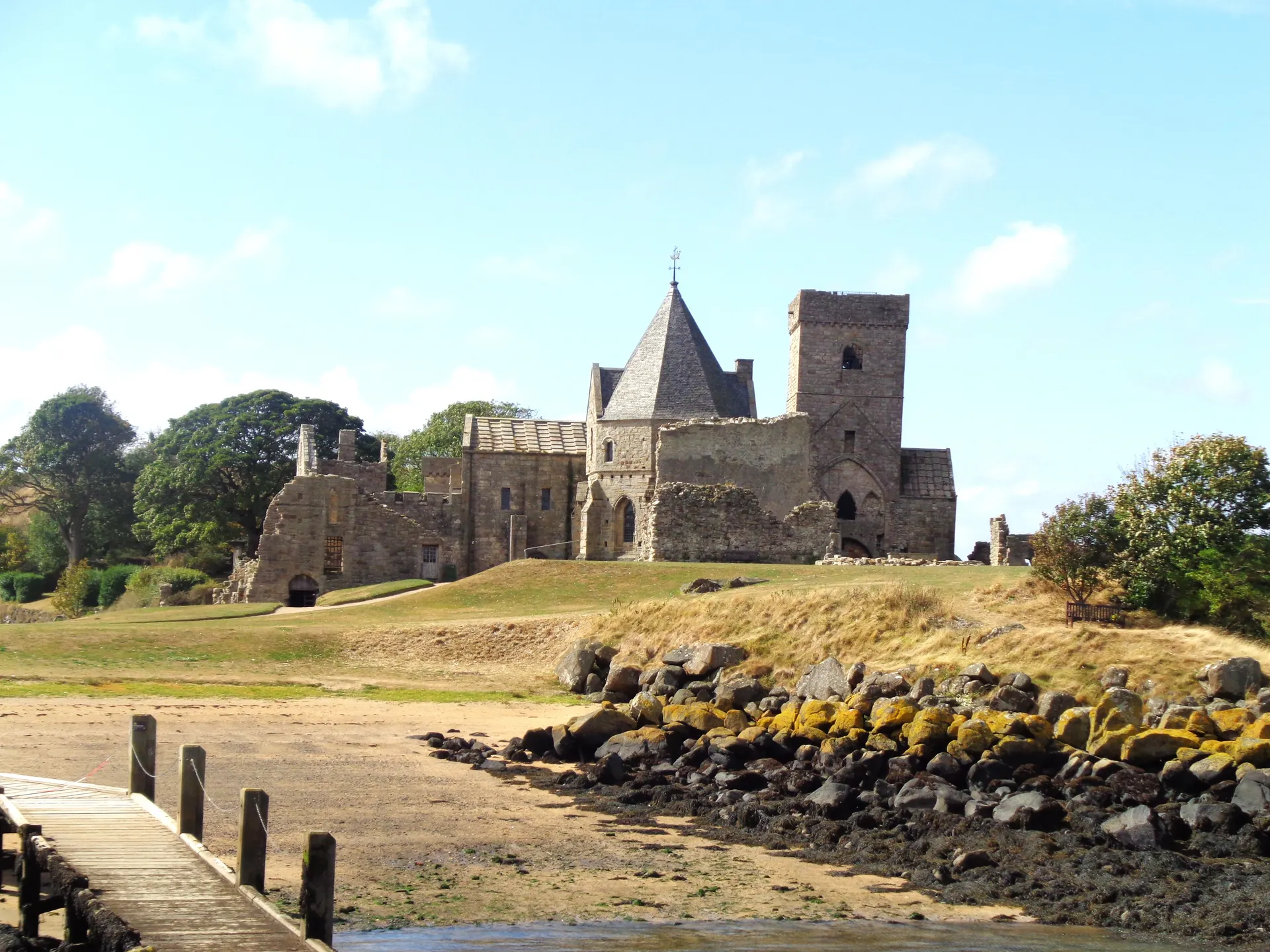
Photo: The round, tapering rubble-stone tower of Corstorphine Dovecot on a lawn, a rowan heavy with berries beside it. Eoin Houston, CC BY-SA 3.0. Source: https://commons.wikimedia.org/wiki/File:Corstorphine_Doocot_North.JPG. Licence: https://creativecommons.org/licenses/by-sa/3.0. Resized and cropped for display; derivatives retain the source licence.
Reviews & Tips
No reviews yet
No reviews yet. Be the first to share your experience!