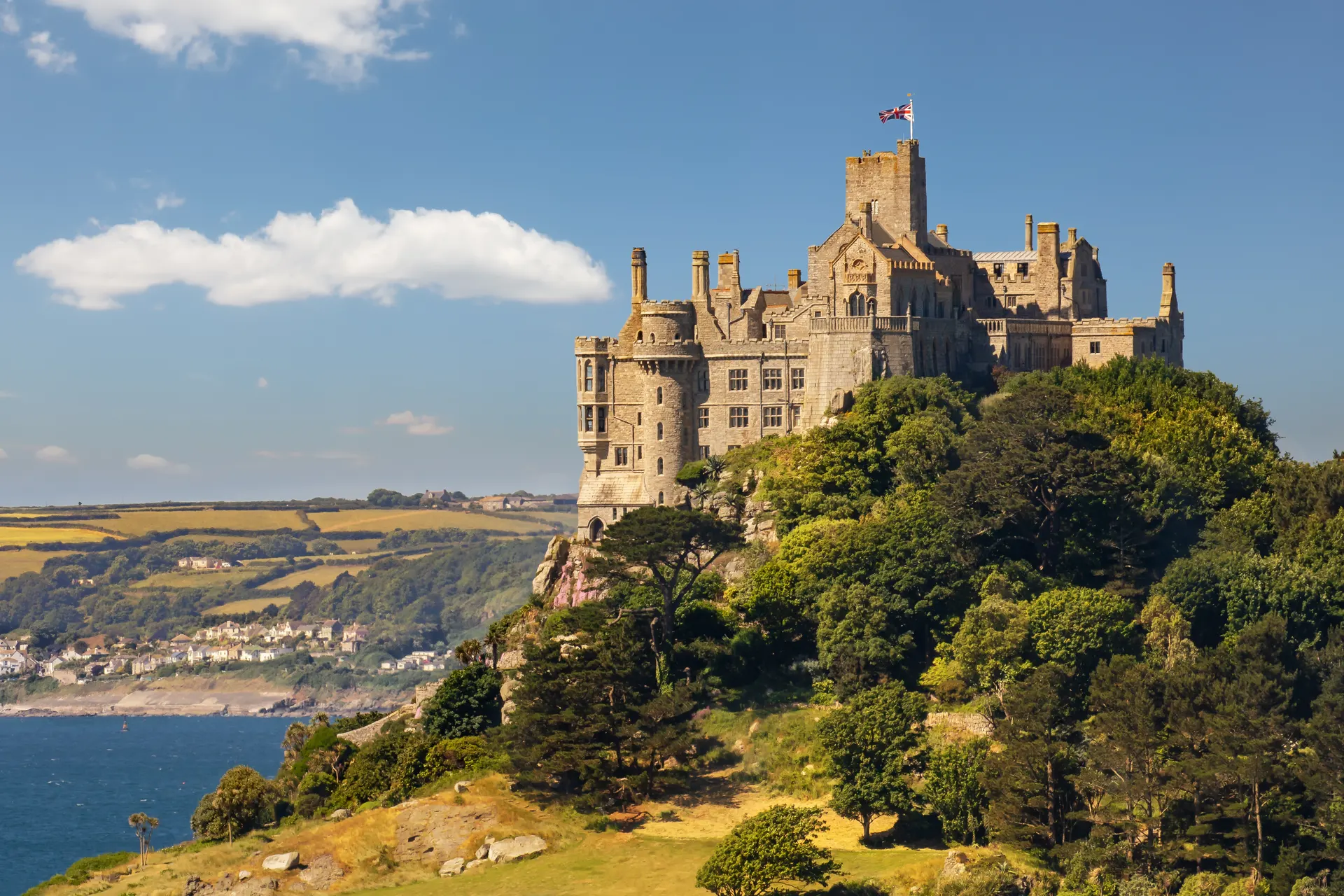
About
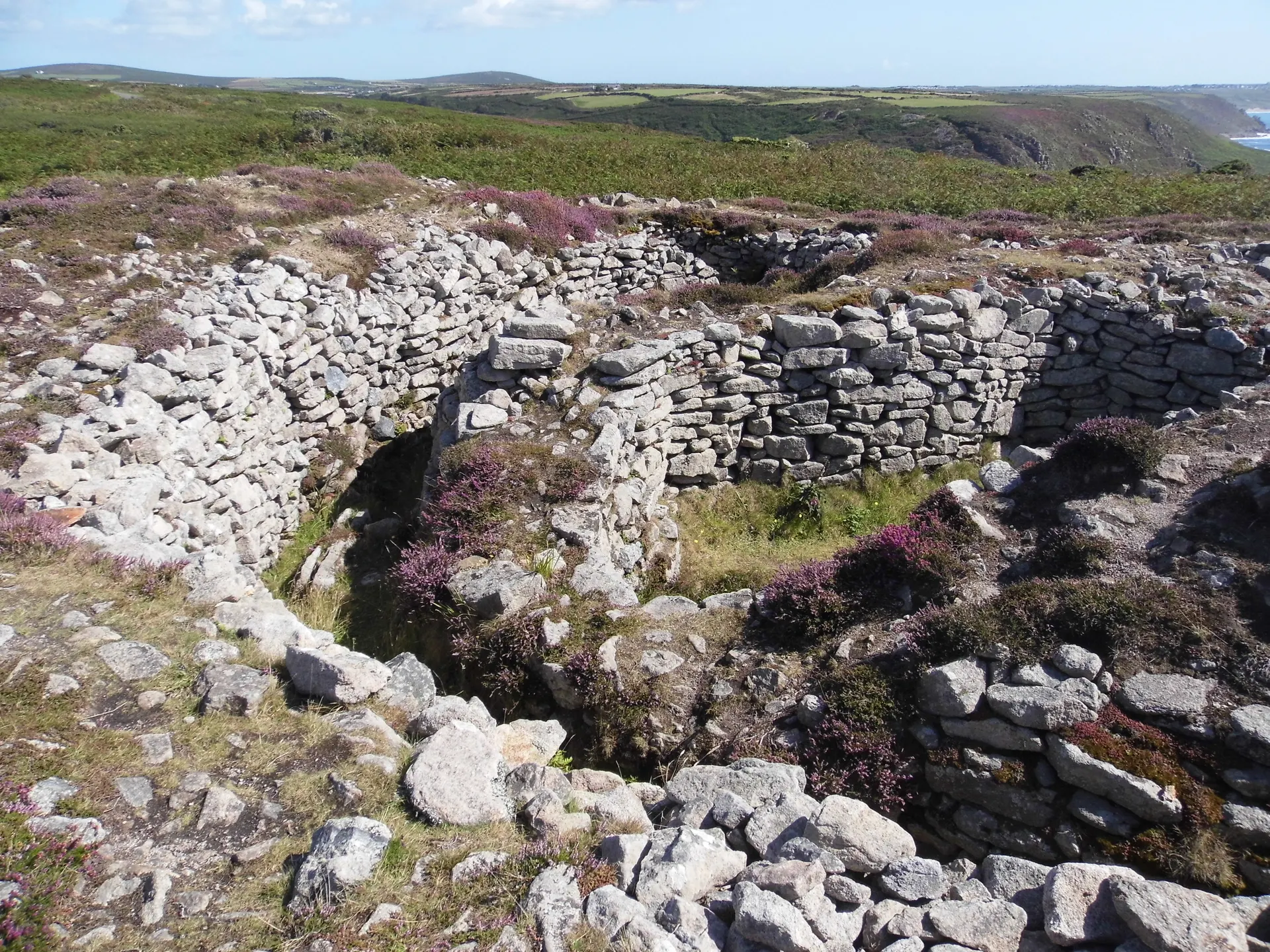
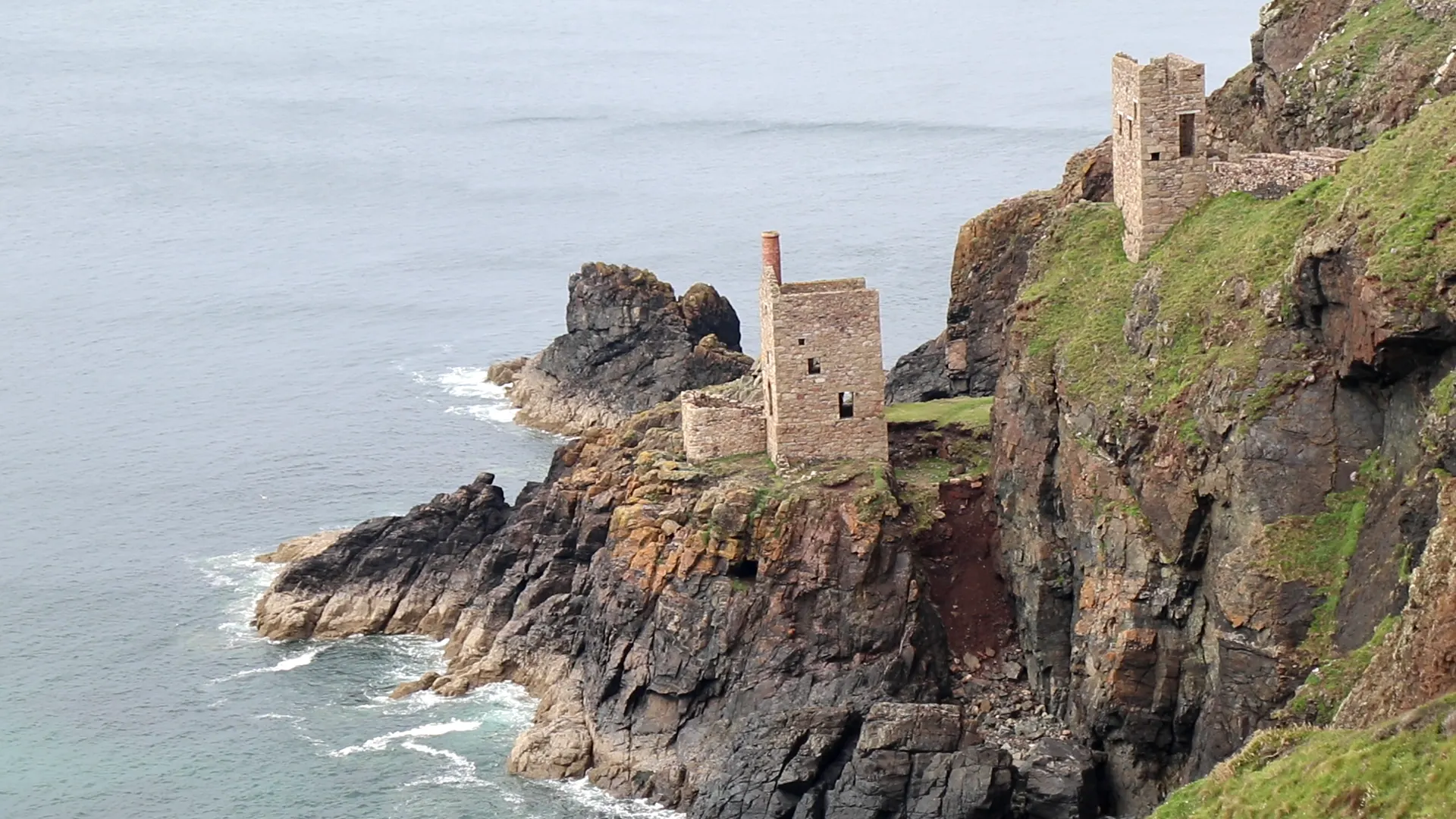
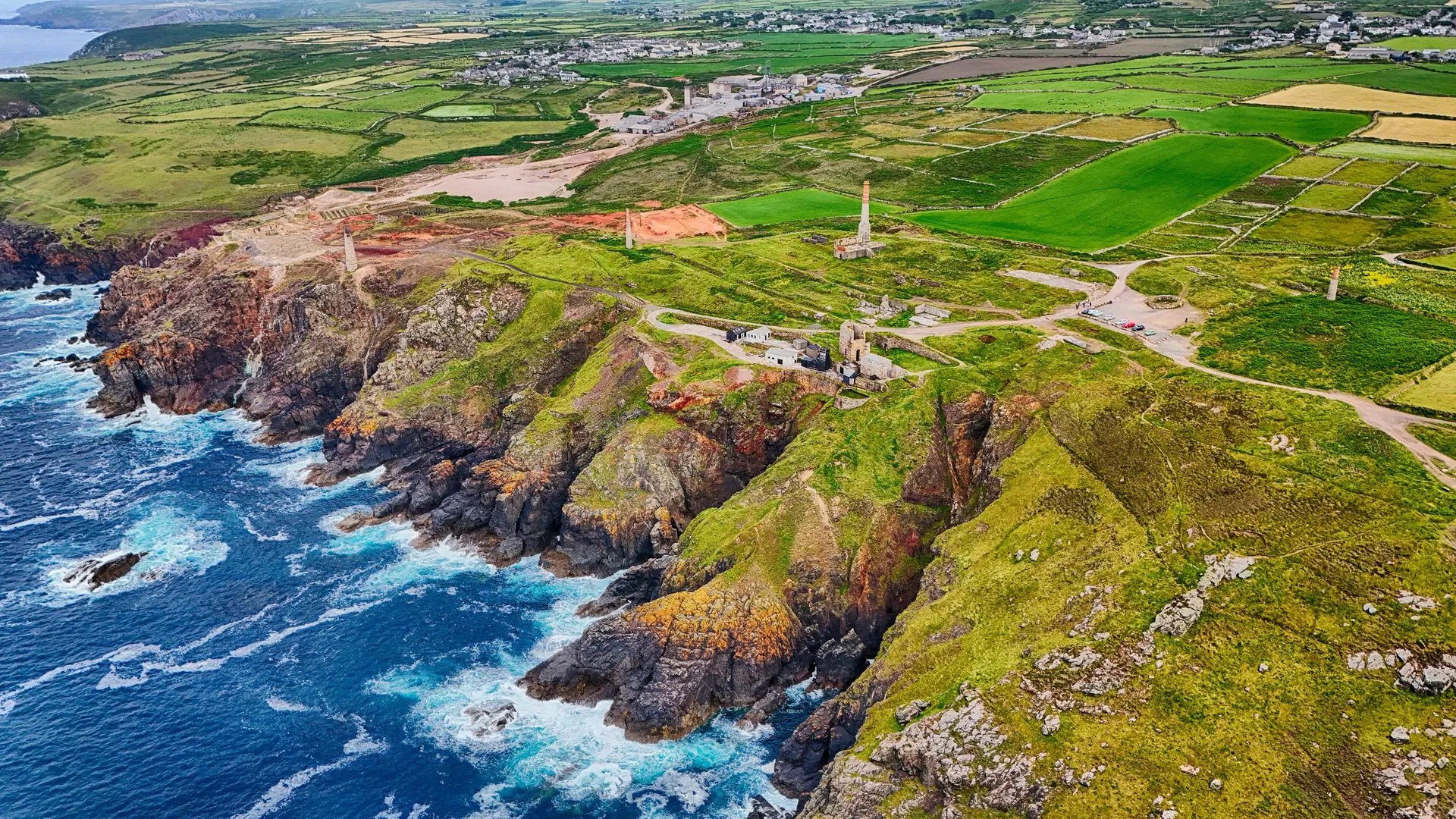
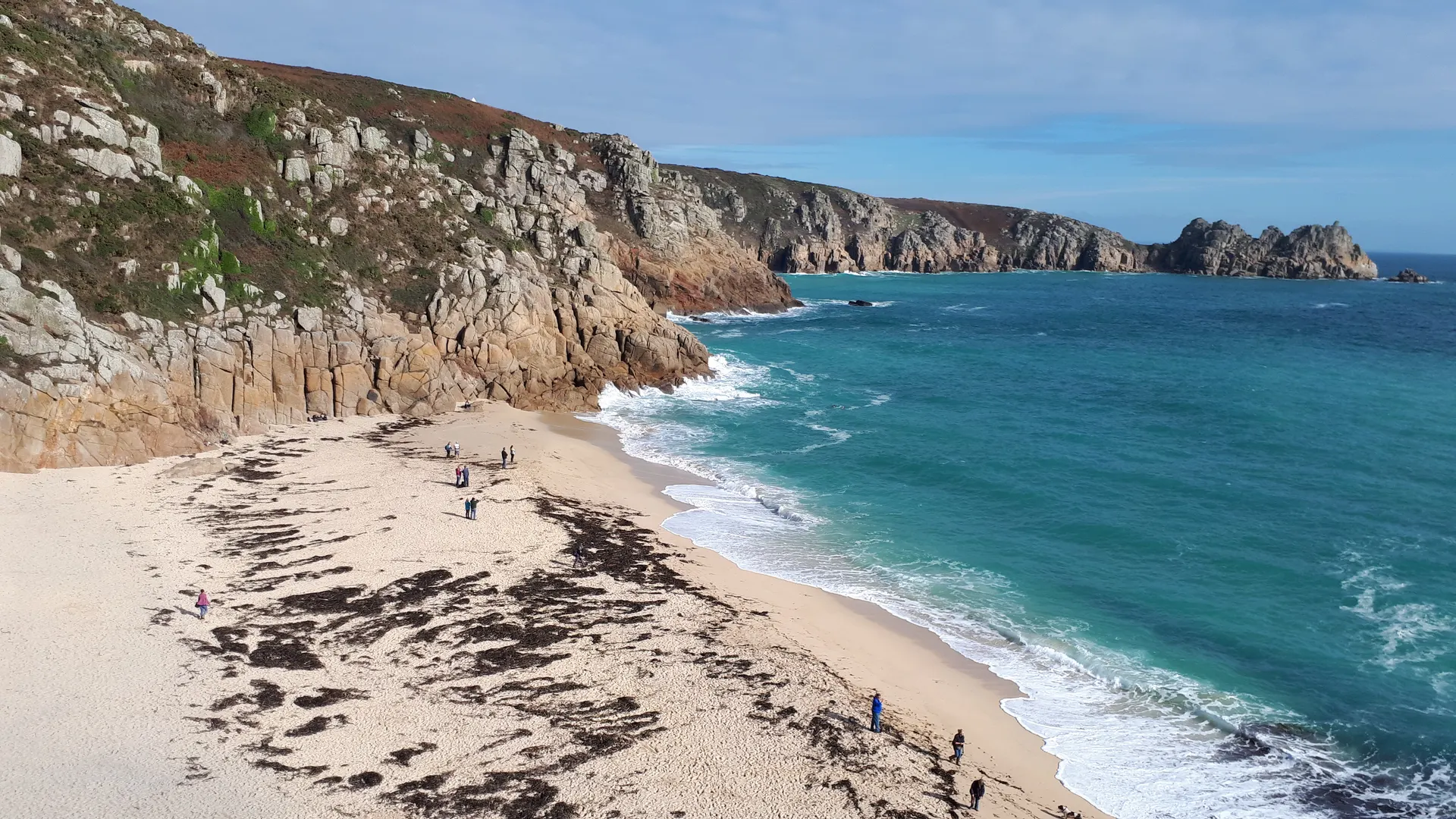
Cape Cornwall is one of only two capes in Britain, a headland west of St Just where the Atlantic currents divide, often called the connoisseur's Land's End. Heinz bought it for the nation to mark its centenary and presented it to the National Trust in 1987. The summit chimney dates from 1894, when Cape Cornwall Mine worked tin and copper from beneath the sea, and the cape is now part of the Cornish Mining World Heritage Site. Look out to the Brisons, a seabird breeding ground where gannets and fulmars fly, and down to Priest's Cove, still a landing place for local fishermen. Reviewers praise the views and the cafe by the car park, and warn that paths are steep in places, with unguarded drops and old mineshafts. Dogs are welcome on leads but not on Priest's Cove from Easter until the end of September. A signed one-mile trail leads down from the bus stop in St Just.
Check today’s timesSee all times
- CountrysideDawn to dusk
- Toilet facilities10:00to 16:30
Opening times may change at short notice.
PricingFreeFree for all visitors
Free entry for everyone
Entry
Free for everyone
Pricing details
Open countryside, free for everyone. Non-members pay to use the National Trust car park; the tariff is not published on the Trust page.
ParkingParking not known
The Trust's page does not say how parking is charged.
Parking details
The National Trust car park at the end of Cape Cornwall Road is pay and display for non-members; National Trust members park free. The Trust does not publish the tariff on its Cape Cornwall pages and no JustPark code is given, so the non-member charge is not recorded here. No overnight parking or camping.
Accessible toilets are in the car park. The car park is at the end of Cape Cornwall Road, signposted from the centre of St Just.
Reviews & Tips
No reviews yet
No reviews yet. Be the first to share your experience!
Pins
No pin photos yet
Walking routes1 route
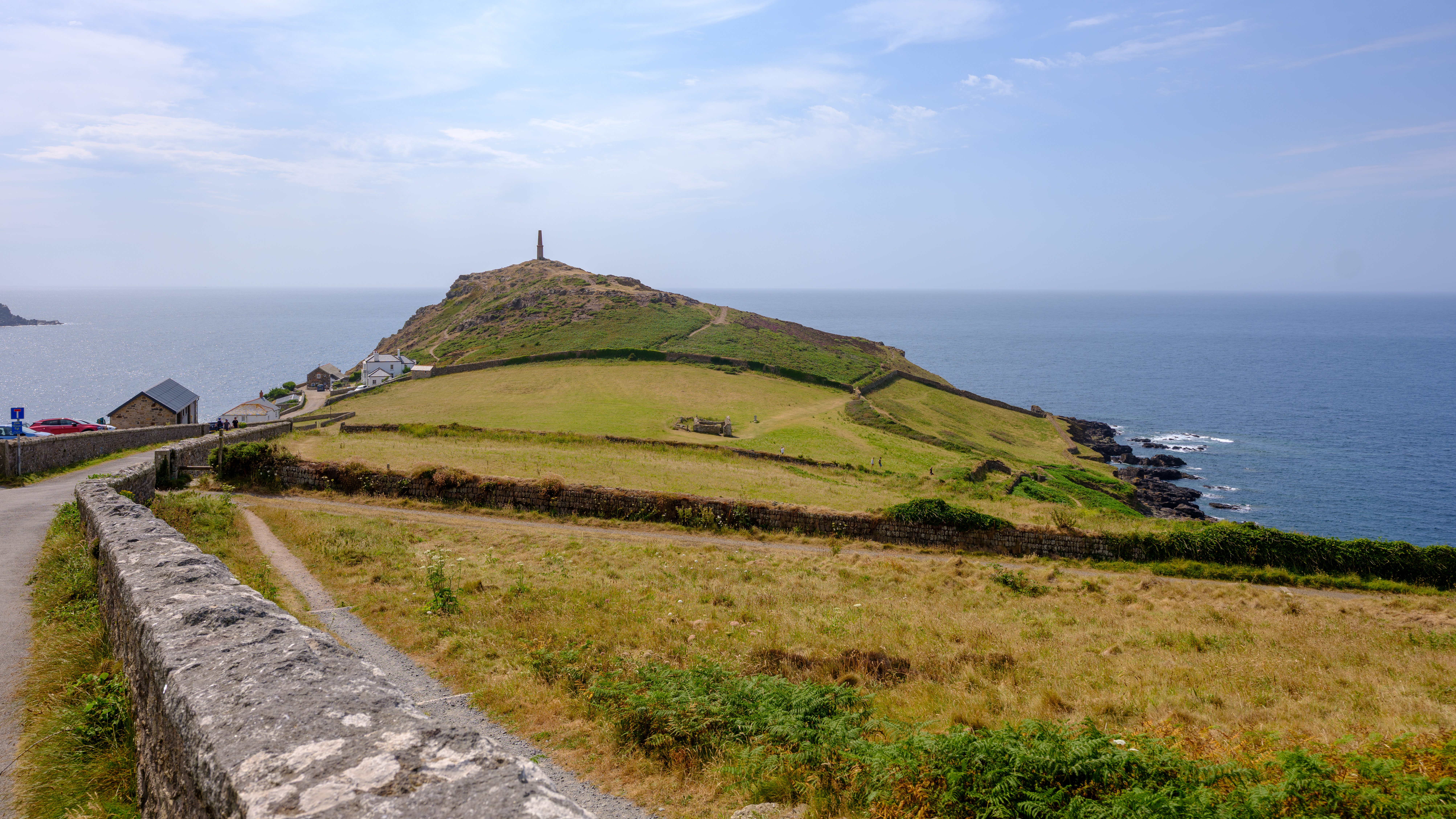
St Just to Cape Cornwall walk(opens the full route on the National Trust site)
WalkmoderateDogs, with restrictions1.6 km distance20m to walk