Yellow Tour (historic highlights)(opens the full route on the National Trust site)
40m–1hr to walk
Not suitable for dogs
Follow the yellow signs from the visitor centre, 40 to 60 minutes, universally accessible; free, audio on the GuidiGo app.
Free entry to the gardens and glasshouses for everyone; no ticket or membership card is needed. The daily guided tour at 11.30am and 3pm costs €5 a person, booked on Eventbrite or at the visitor centre desk; OPW Heritage Card holders take it free, and whether an English Heritage card does the same is not stated.
The gardens' own car park off Botanic Road, with accessible bays and a bike rack: €1 an hour for the first two hours, then €2 an hour; limited at busy times, so the gardens suggest bus, bike or foot. Not a Trust car park, so membership does not cover it.
The gardens' own How To Find Us page (read from its 18 November 2025 archive copy, the live site being behind a Cloudflare check on 19 October 2026) says car parking is available but limited during busy periods, charged at €1 an hour for the first two hours and €2 an hour after that, with designated accessible parking and a bike rack in the car park; cycling is not allowed inside the grounds. OPW lists a car park and coach parking. The car park entrance off Botanic Road is the second visitor entrance, used by cars and coaches; walkers and bus passengers use the main gates. This is the gardens' own charge and an English Heritage card gives nothing on it.
Driving pin: the gardens' car park, 200 m south-west of the visitor centre. Just over 3 km from the city centre and 8 km from Dublin Airport; Dublin Bus routes along Botanic Road stop at the Botanic Gardens stop by the gates, and Transport for Ireland's journey planner is linked from OPW's page.
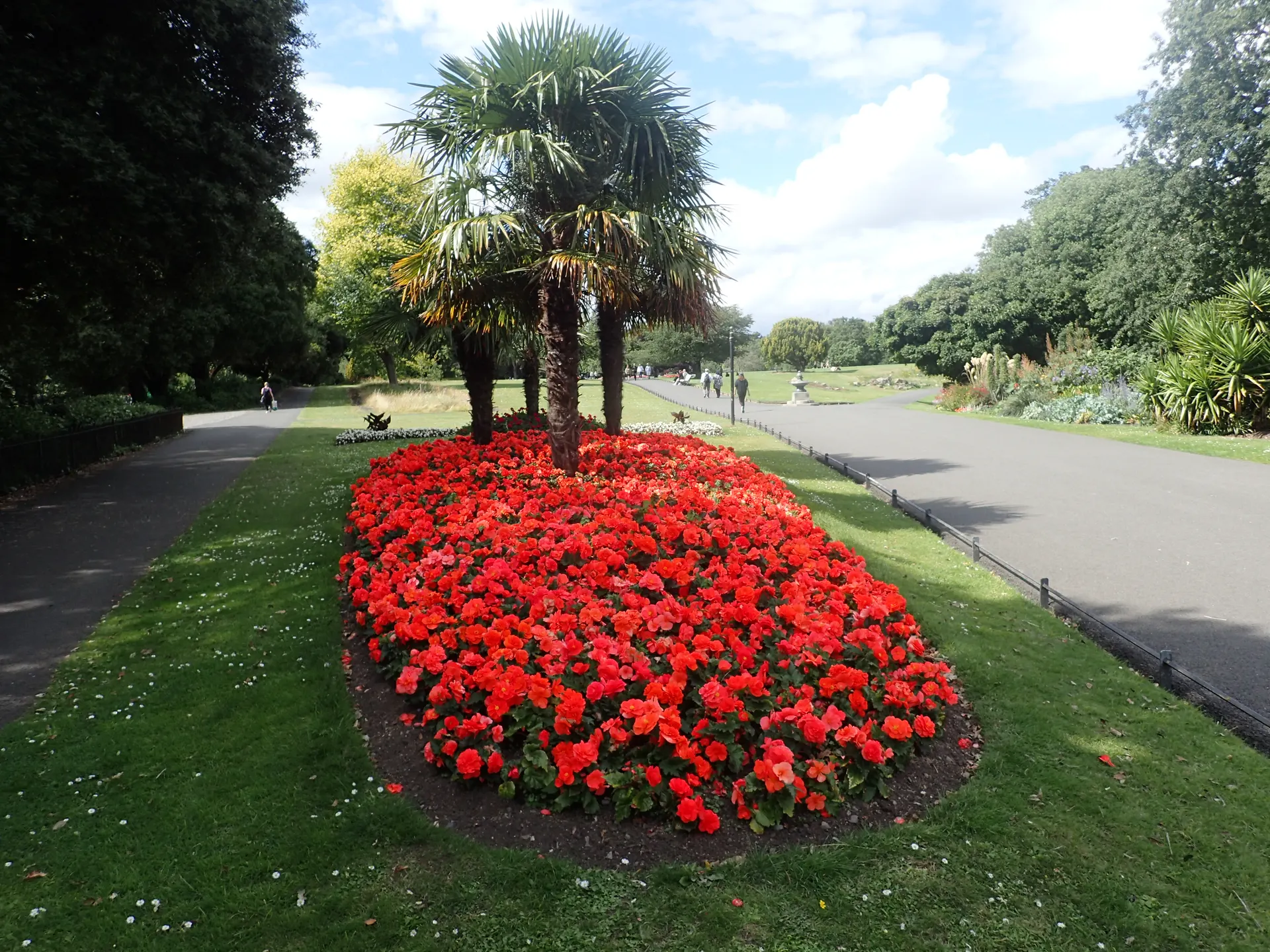
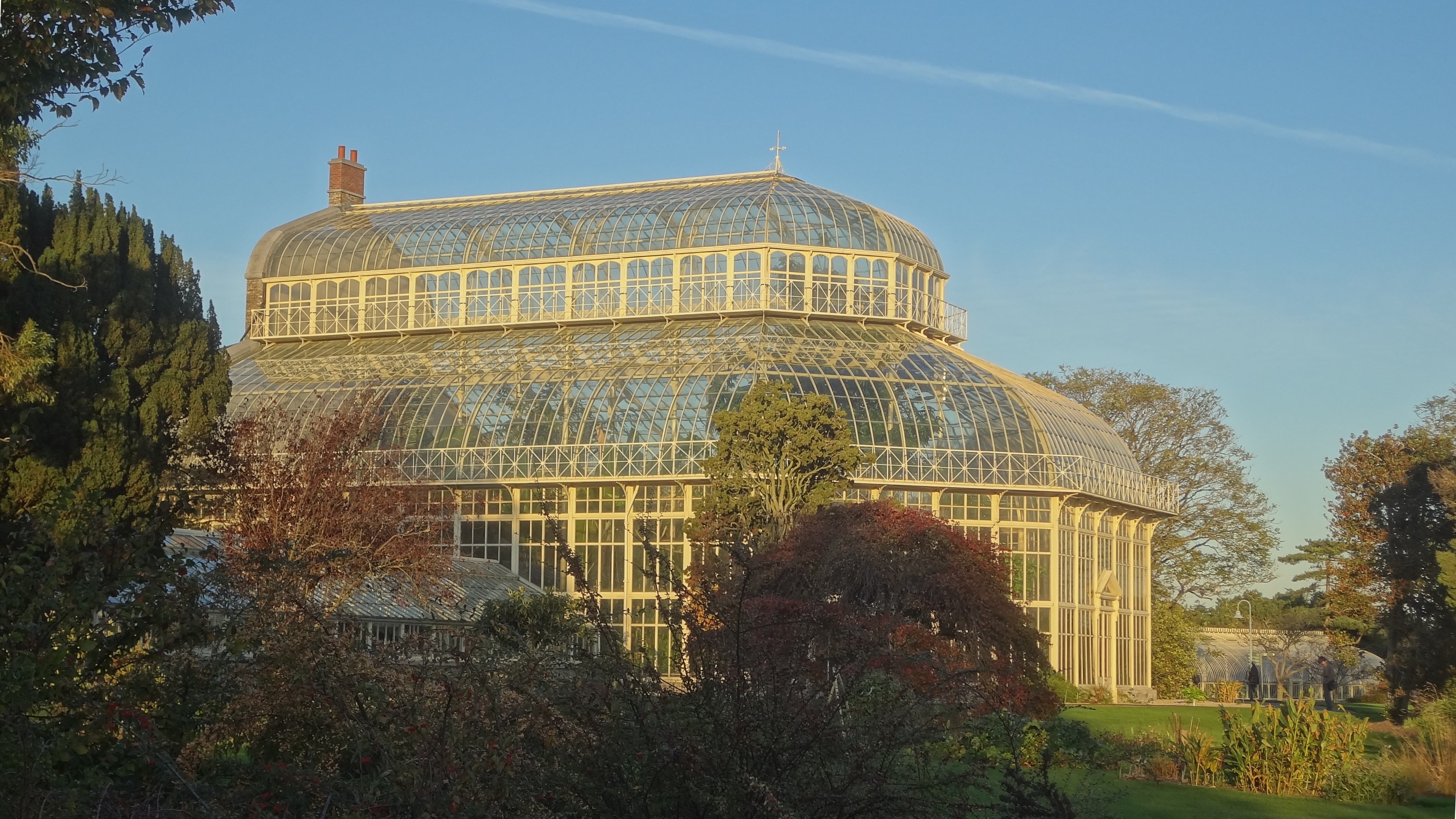
The National Botanic Gardens at Glasnevin were founded by the Dublin Society in 1795 on the banks of the Tolka, three kilometres north of the city centre, and now hold over 16,000 plant species and cultivars from around the world, including more than 300 endangered species and six already extinct in the wild. The jewel is the set of restored Victorian glasshouses: Richard Turner's Curvilinear Range, begun in 1843 and opened in 1849 to a visit from Queen Victoria, and the Great Palm House of 1884. It was here on 20 August 1845 that David Moore first recorded potato blight in Ireland and predicted the famine to come. Free waymarked Yellow, Red and Green routes lead through the yew avenue, the rock garden and herbaceous borders to the river and back in under an hour each. Reviewers praise the roses, the squirrels and the visitor centre restaurant, and allow about two hours. Dogs, picnics, bicycles and jogging are not allowed, and the car park charges by the hour.
Open any reasonable time in daylight.
Free entry
Open every day of the year except Christmas Day. The gardens' own page (archive copy of 6 December 2025) gives summer hours from 9 March 2026 of 9am to 5pm on weekdays and 10am to 6pm at weekends and on public holidays, and winter hours of 9am to 4.30pm on weekdays and 10am to 4.30pm at weekends and public holidays; OPW's page gives March to October weekdays 10am to 5pm and weekends 10am to 6pm, and November to February weekdays 9am to 4.30pm and weekends 10am to 4.30pm, so the weekday opening time in summer is given as 9am by the gardens and Google and 10am by OPW. Daily guided tours at 11.30am and 3pm, €5, booking advised; groups of more than ten must book ahead. The Garden Restaurant is open daily, about 9am to 3.30pm on weekdays and 10am to 4pm at weekends. Allow about an hour and a half.
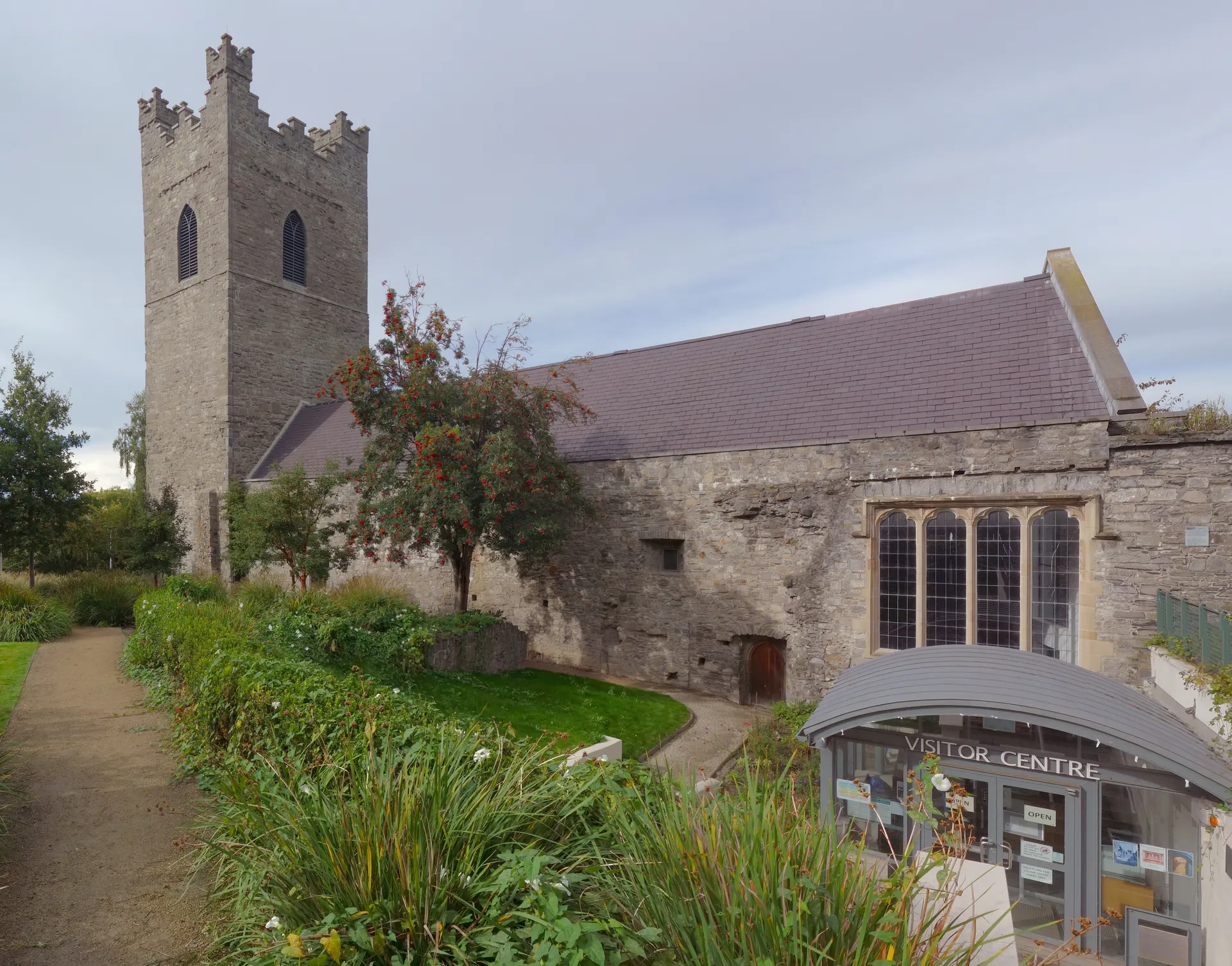
Paths are broad with an all-weather surface, with flights of steps in two places; all the glasshouses are accessible, the west wing of the Curvilinear House only from the central house; wheelchairs lent from the visitor centre first come first served; lifts in the visitor centre and library; accessible toilet, baby changing and WiFi. Toilets in the courtyard by the front gate and on the ground floor of the visitor centre, which also holds the Garden Restaurant, a bookshop and an exhibition gallery. Free audio tours on the GuidiGo app; themed tours and events on Eventbrite. No dogs other than guide dogs, no picnics, bicycles, ball games, jogging or music; drones prohibited; glasshouses are hot and humid. Kilmacurragh in County Wicklow is a separate OPW garden.
Photo: The Great Palm House at the National Botanic Gardens, Glasnevin, lit by low autumn sun behind trees and shrubs. Cqui, CC BY-SA 3.0. Source: https://commons.wikimedia.org/wiki/File:Palm_House_Irish_national_botanic_garden_2.jpg. Licence: https://creativecommons.org/licenses/by-sa/3.0. Resized and cropped for display; derivatives retain the source licence.
No reviews yet
No reviews yet. Be the first to share your experience!
Not suitable for dogs
Follow the yellow signs from the visitor centre, 40 to 60 minutes, universally accessible; free, audio on the GuidiGo app.
Not suitable for dogs
Follow the red signs to the River Tolka and back, 40 to 60 minutes, mostly accessible with steps at stop 3; free.
Not suitable for dogs
Follow the green signs through the Great Palm House and Turner's Curvilinear Range, 40 to 60 minutes, universally accessible; free.