About
Hadleigh Castle's surviving drum towers look across the Essex marshes and Thames estuary, a broad view that helps explain its value as a royal stronghold. Begun around 1215 by Hubert de Burgh, the castle was extensively rebuilt by Edward III during the Hundred Years War and became a favourite residence in his later years. The barbican and towers belong to that rebuilding; one tower later served revenue officers watching for smugglers. Much of the castle has disappeared, but the remaining walls and earthworks reward a close look as well as a pause for the view. Visitors often combine this short, free stop with time in the surrounding area, though the ruins have no facilities of their own. Approach from Castle Lane along the earth path, which can become very muddy, and expect uneven ground and steep slopes around the site. Dogs on leads are welcome.
Open in daylightFrom English Heritage's calendar
- Open any reasonable time in daylight
Opening times may change at short notice.
Open at reasonable times during daylight hours. No staffed facilities at the ruins.
Entry is free to everyone; no membership is required.
Accessibility: Approach along a 200-metre earth path from Castle Lane through a kissing gate. Uneven ground, steep slopes and muddy paths; no facilities on site.
Parking: No castle car park. EH identifies on-street parking on Castle Lane, about 200 metres north of the entrance; obey current restrictions.
Dogs: Dogs on leads are welcome.
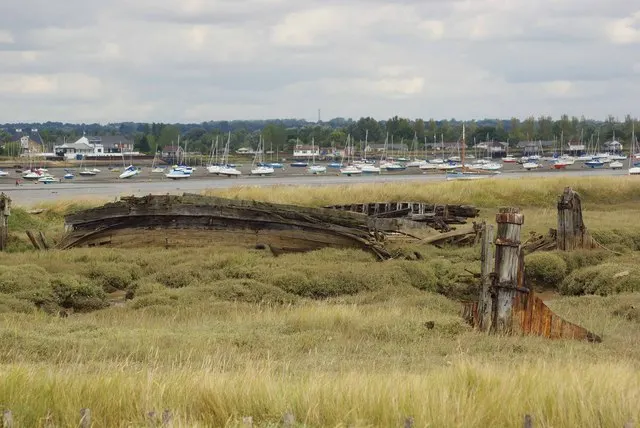
Photo: JohnArmagh. Public domain. Source: https://commons.wikimedia.org/wiki/File:HadleighCastle.jpg. Resized for display.
Reviews & Tips
No reviews yet
No reviews yet. Be the first to share your experience!