National Trust & English Heritage places in Somerset
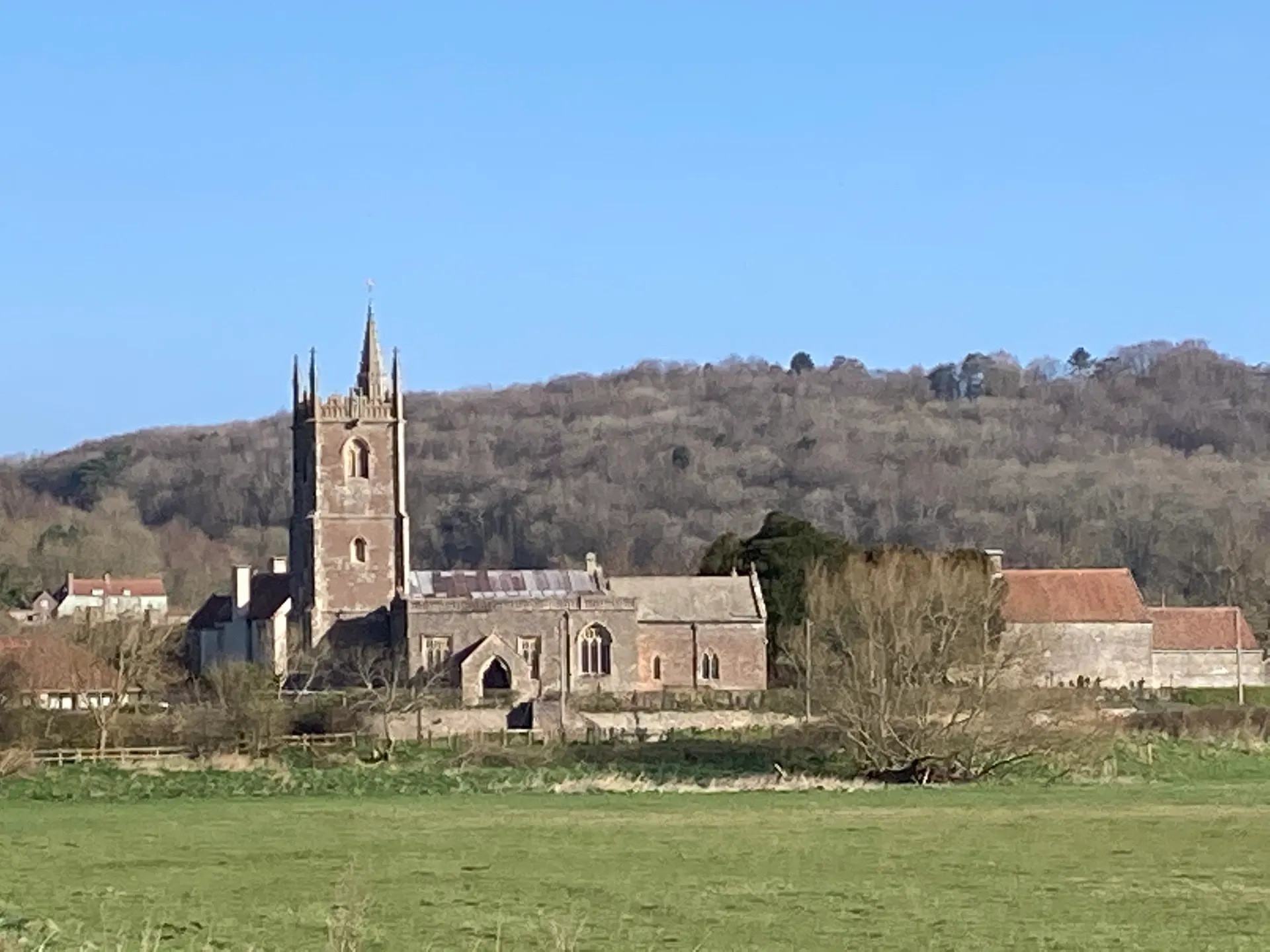
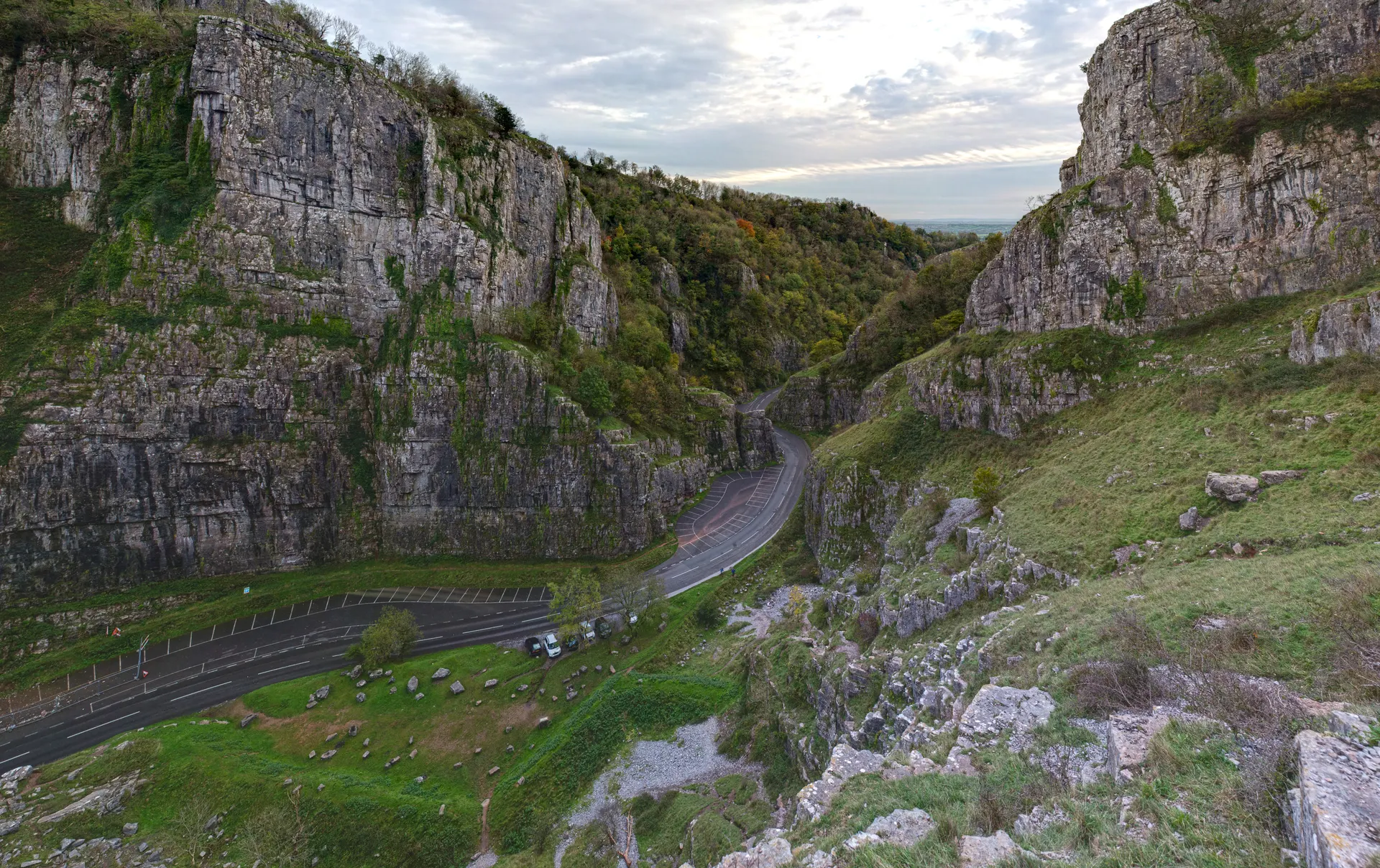
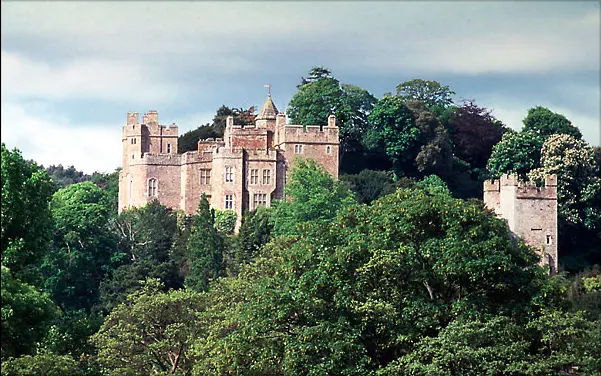
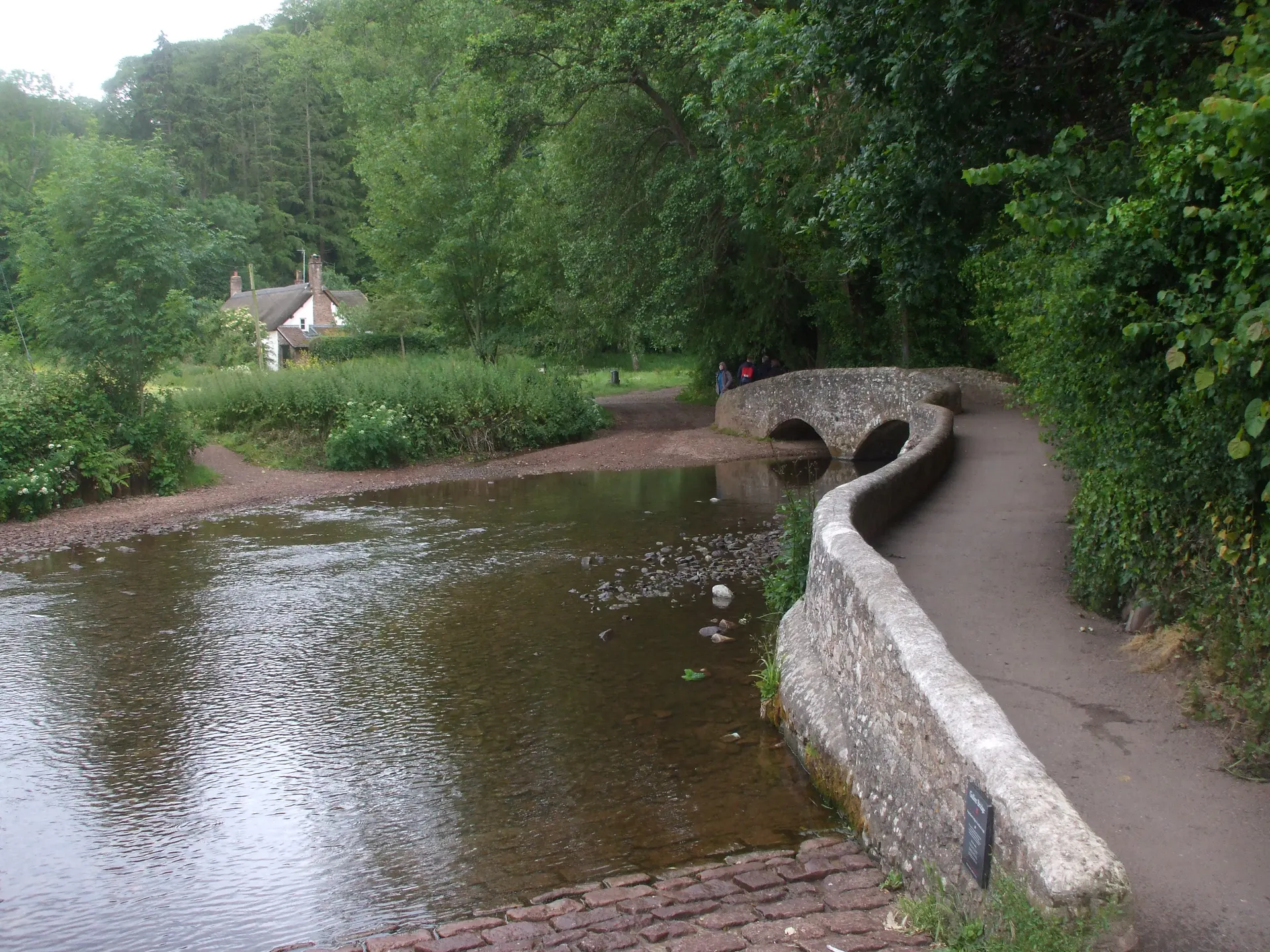
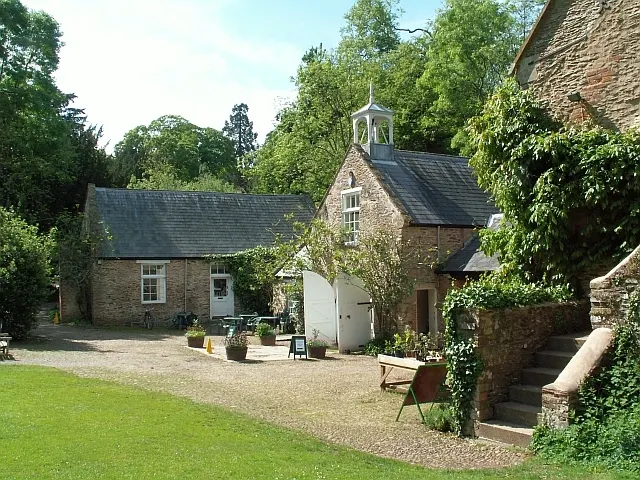
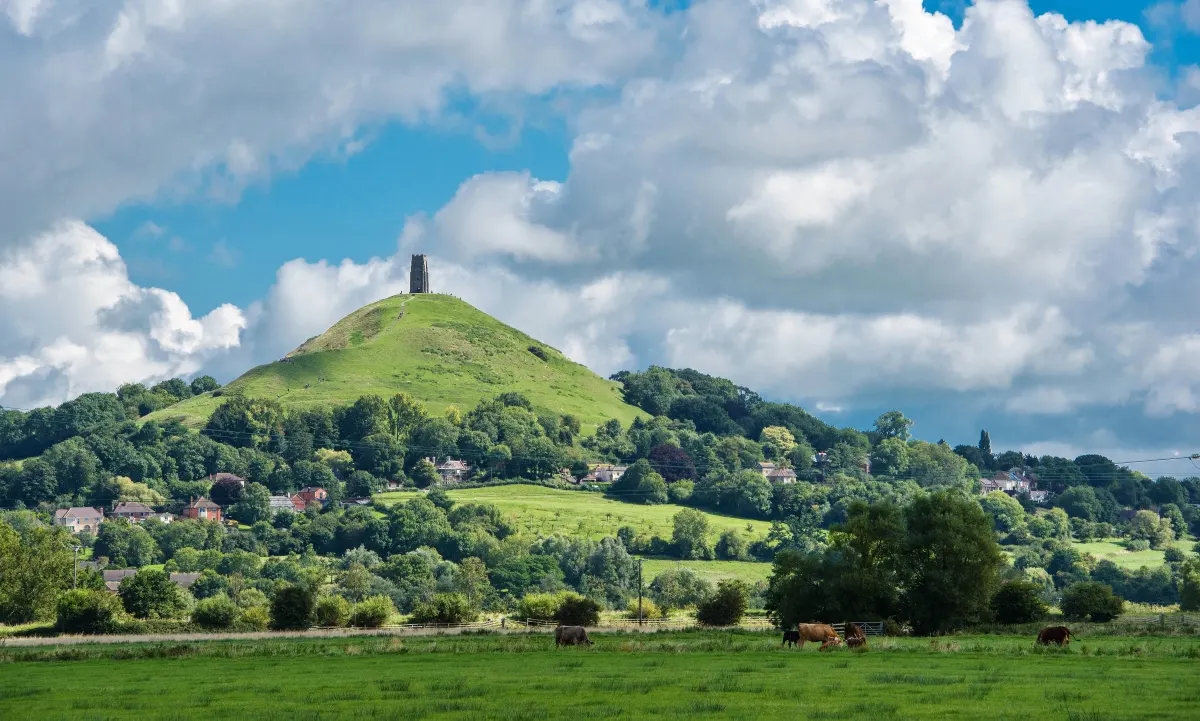
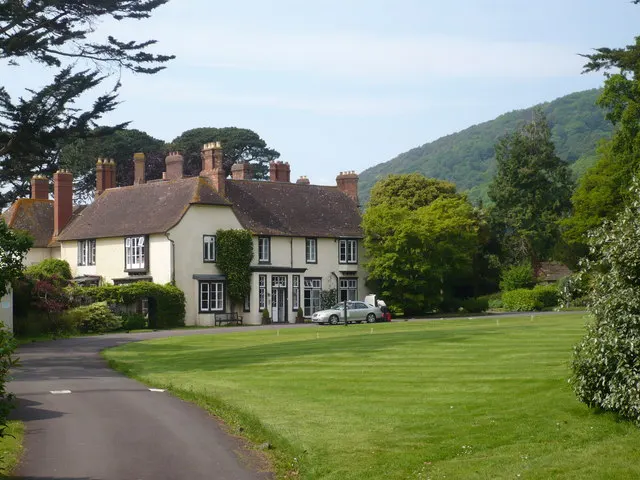
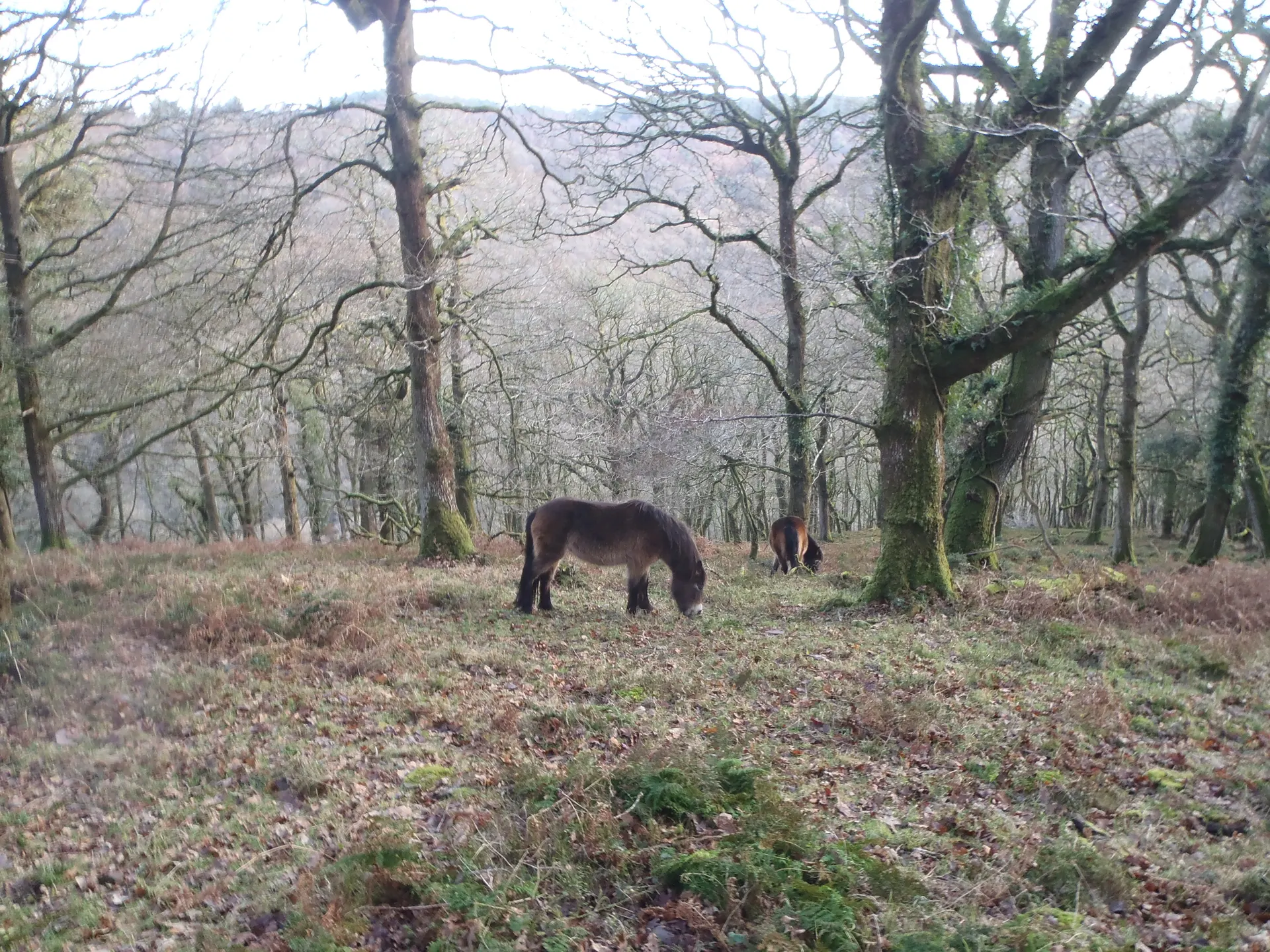
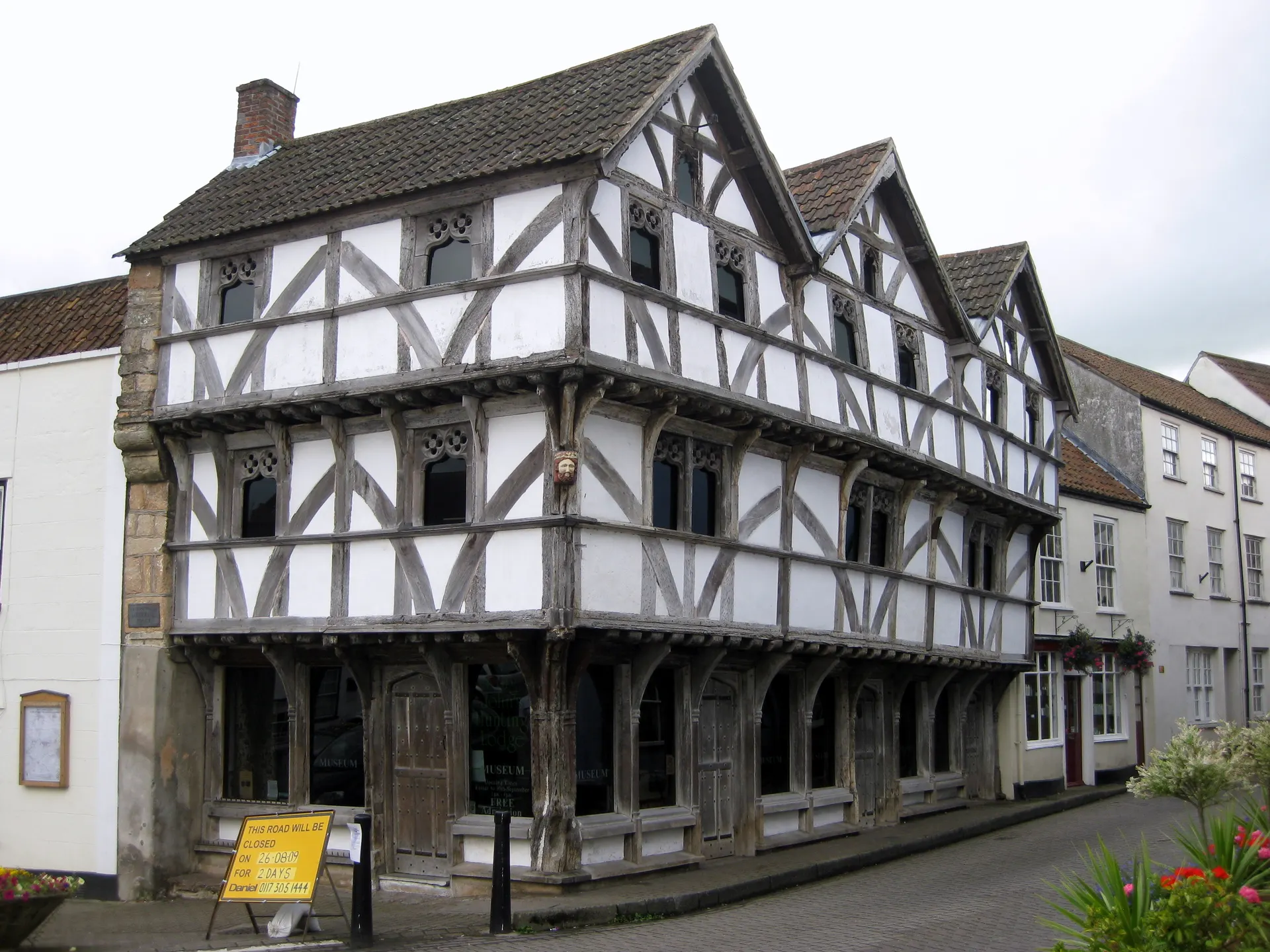
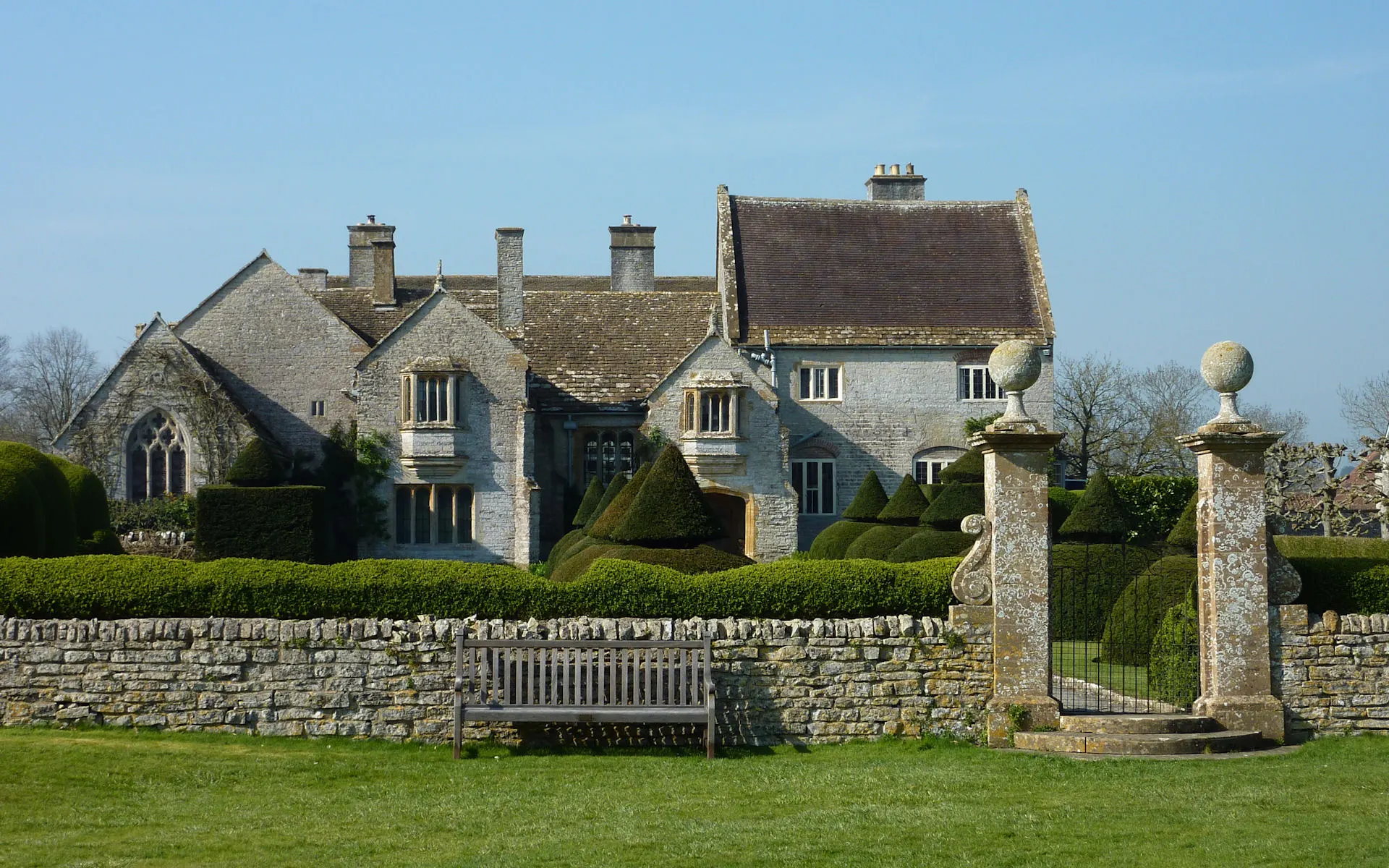
35 places to visit in Somerset (28 National Trust and 7 English Heritage), including 12 historic sites, 8 houses & gardens, 8 countryside spots. Tick them off your checklist as you go, or see them on the map.
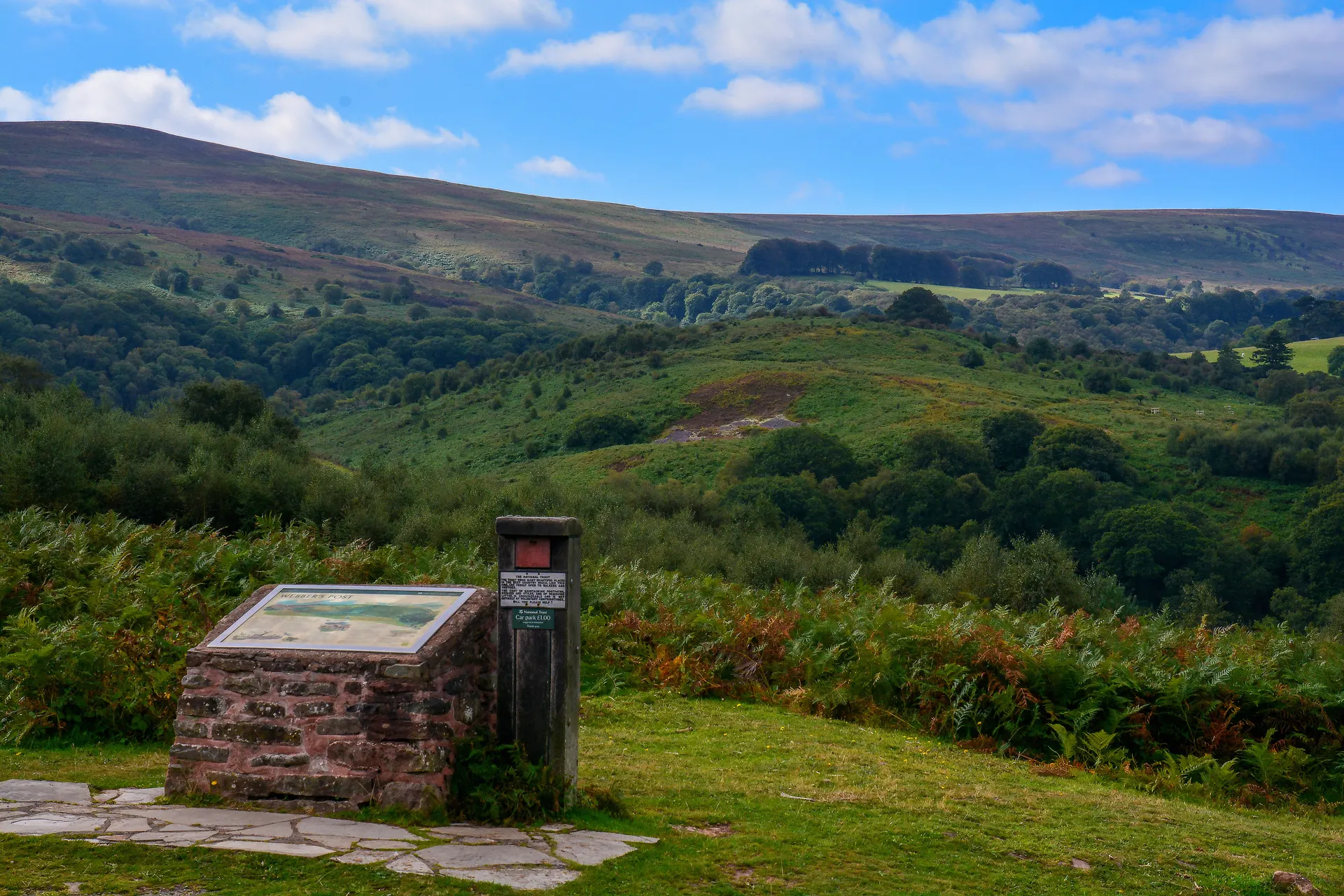
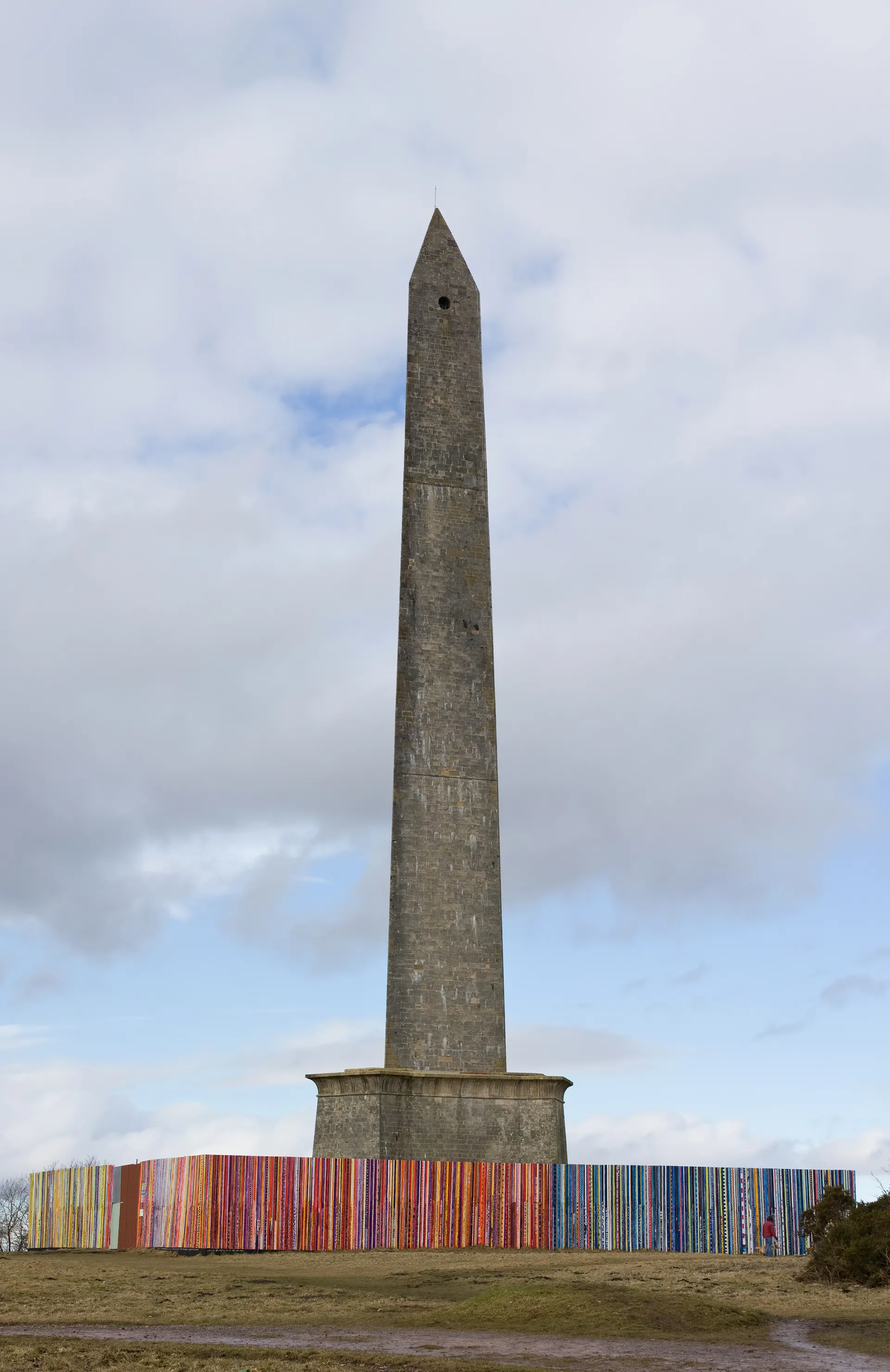
NTNational Trust places in Somerset (28)


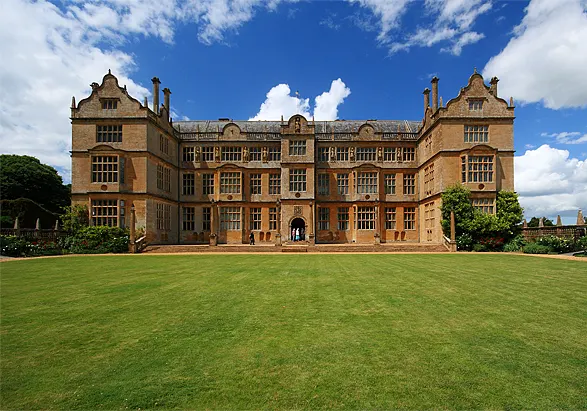
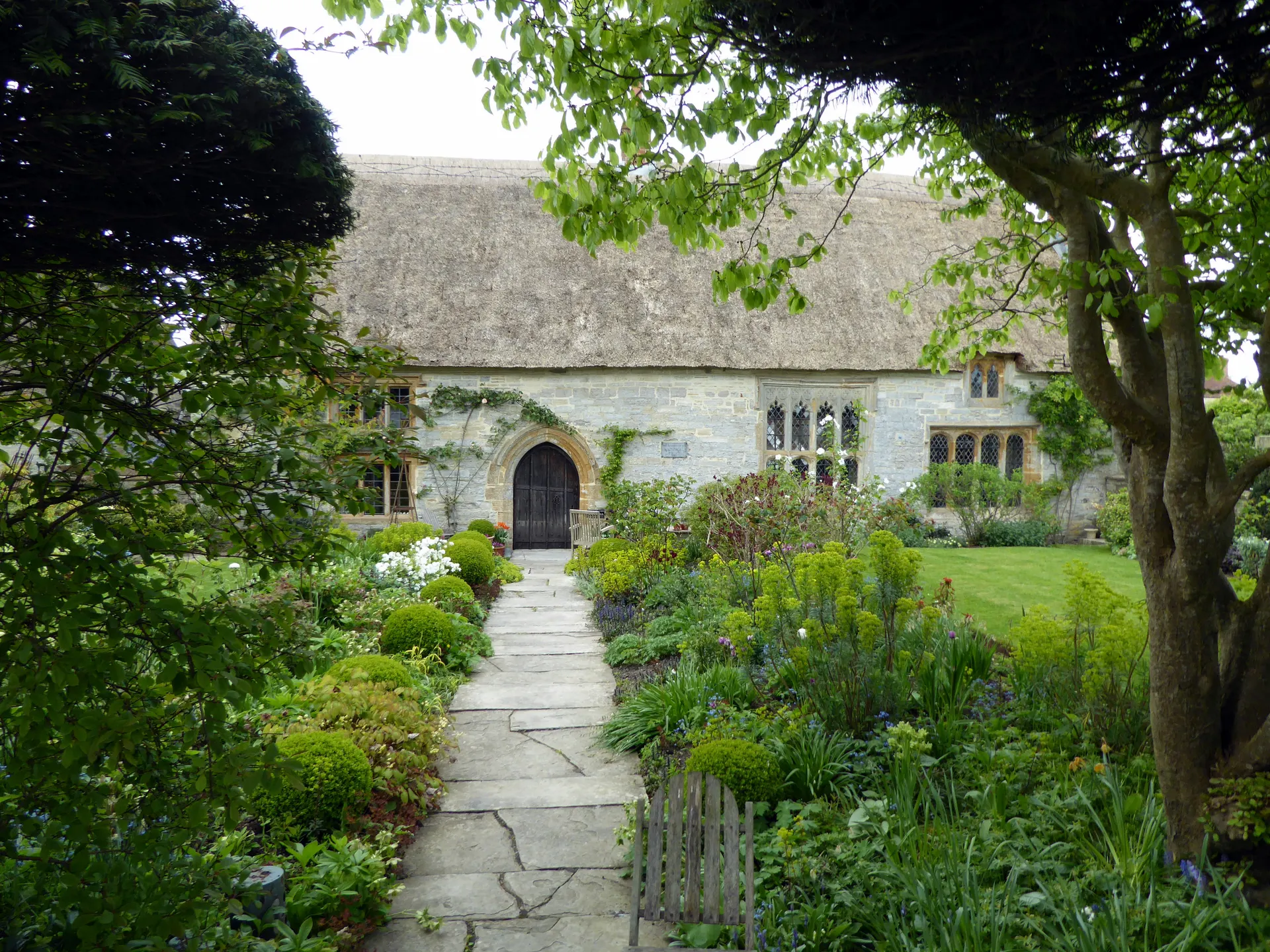
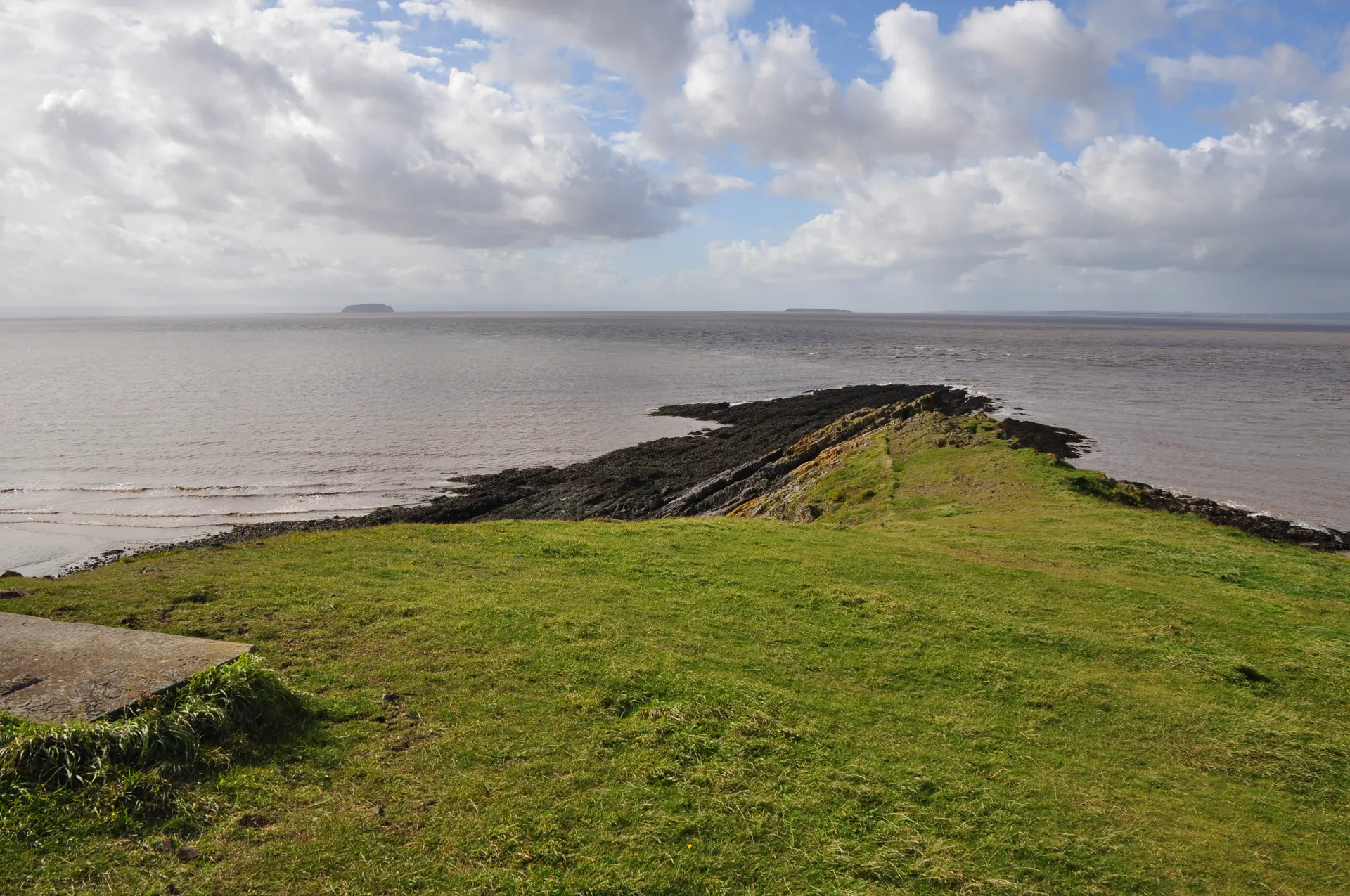
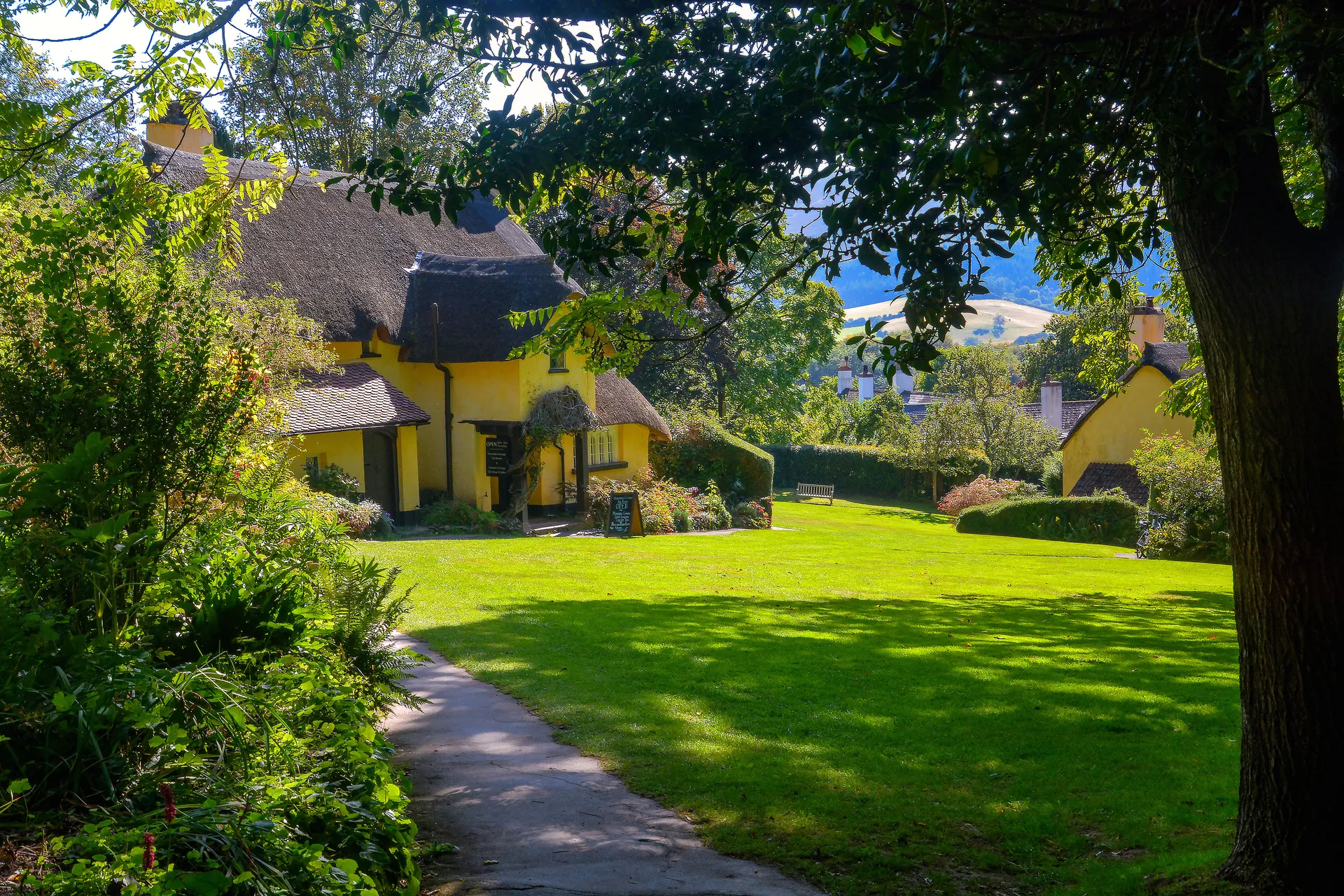
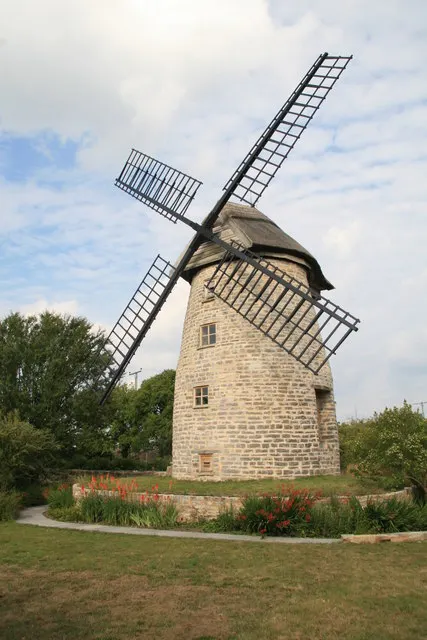
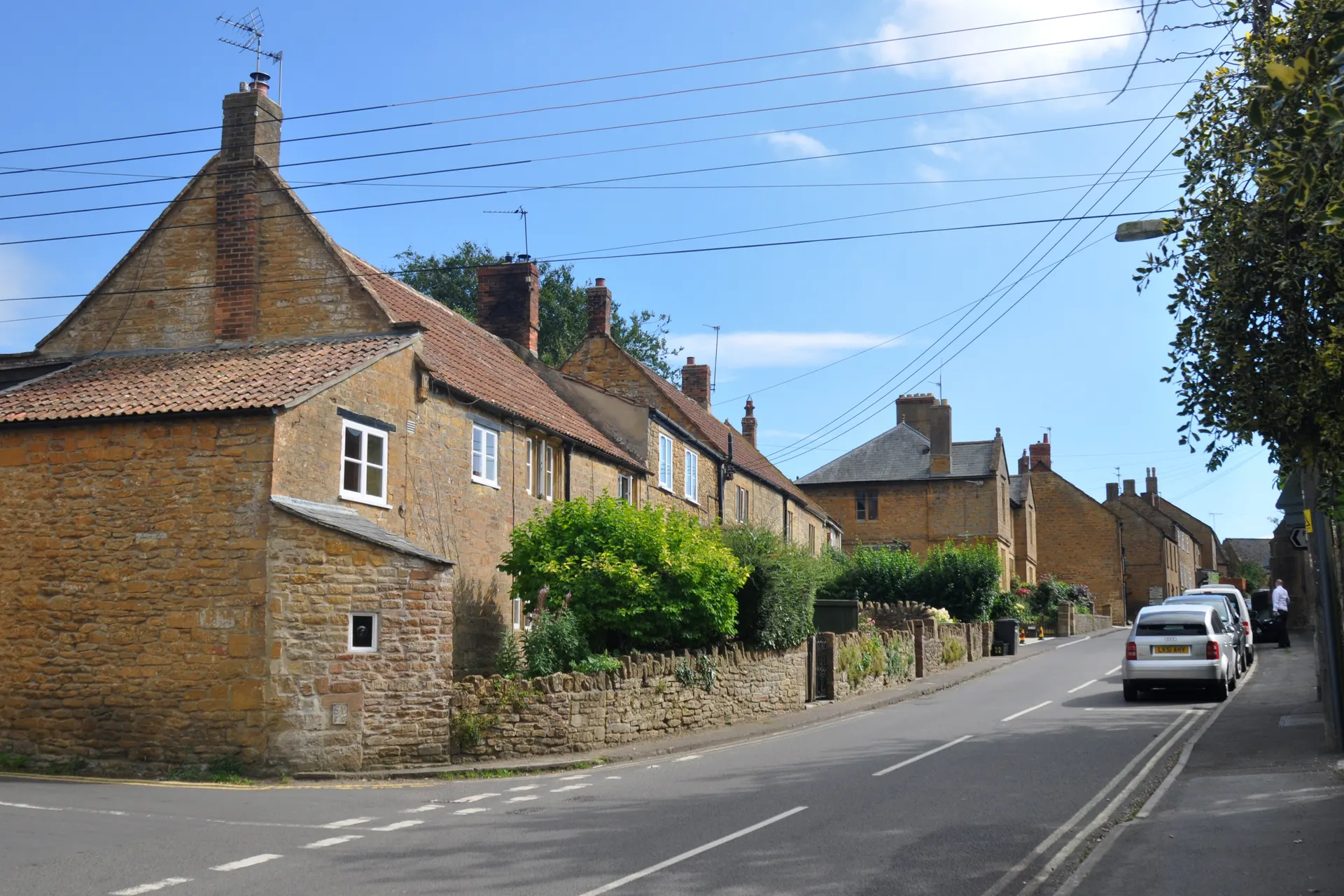
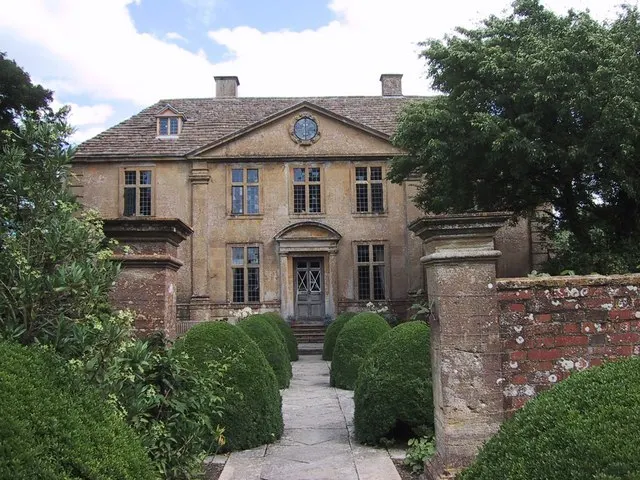
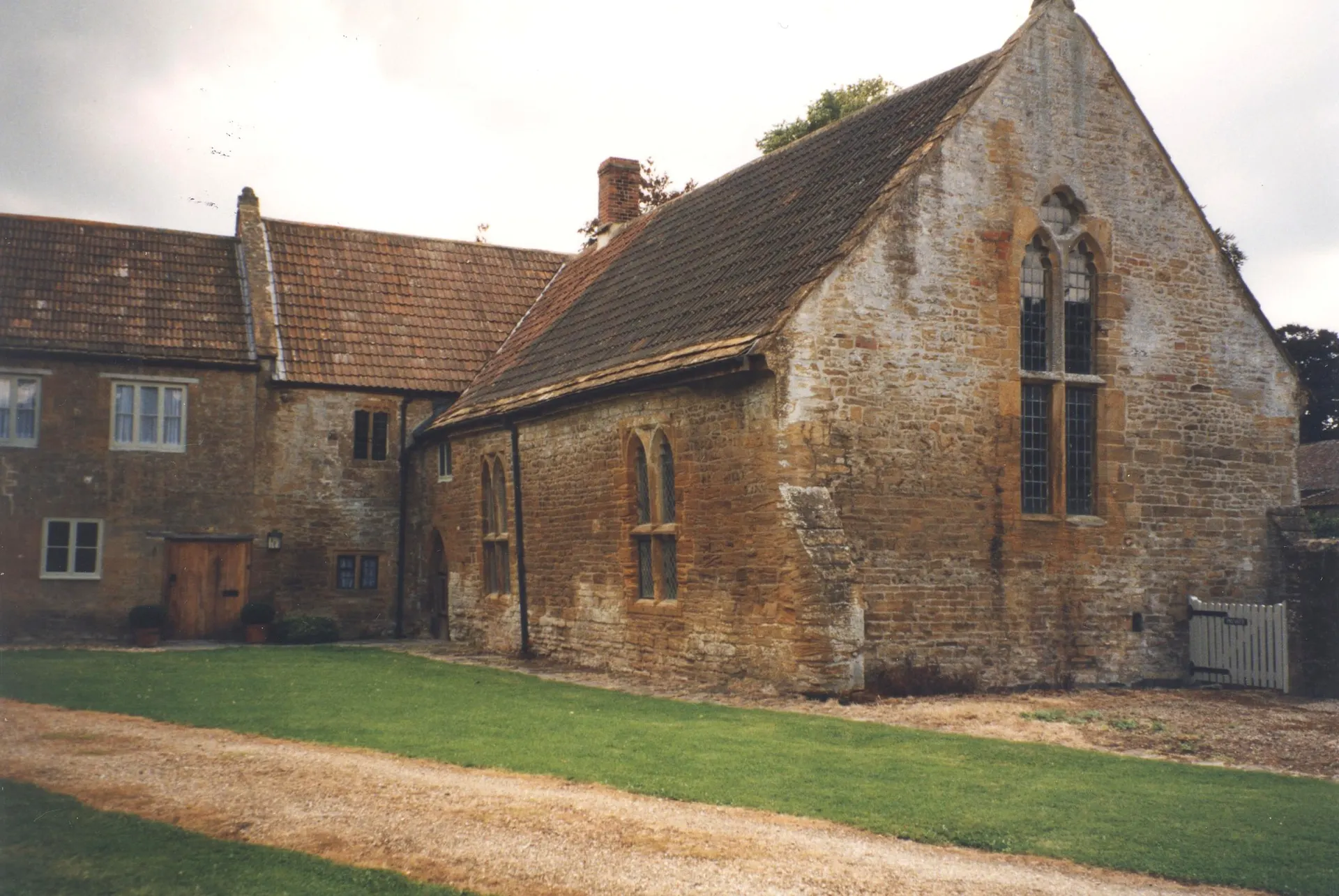
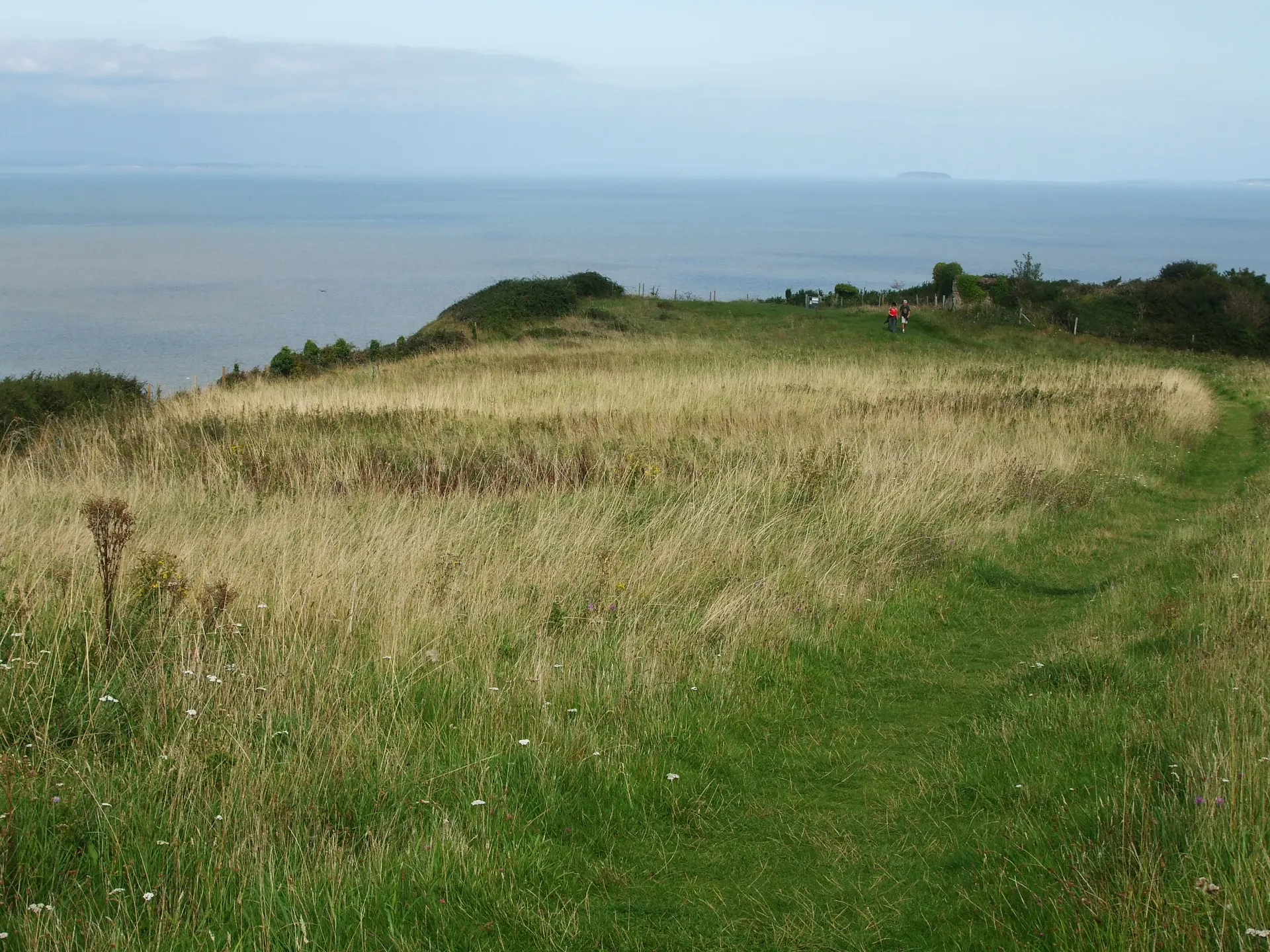
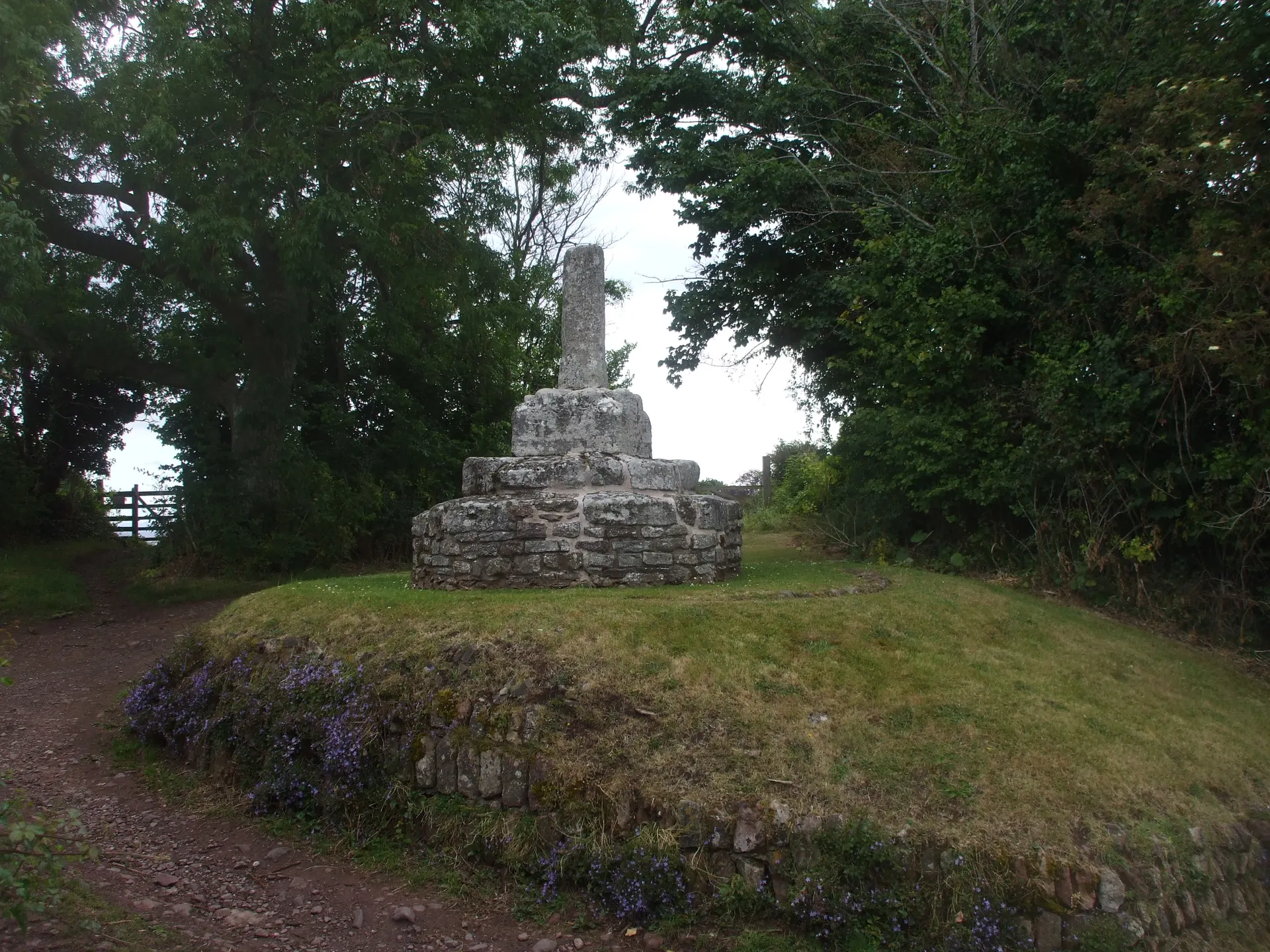
EHEnglish Heritage places in Somerset (7)
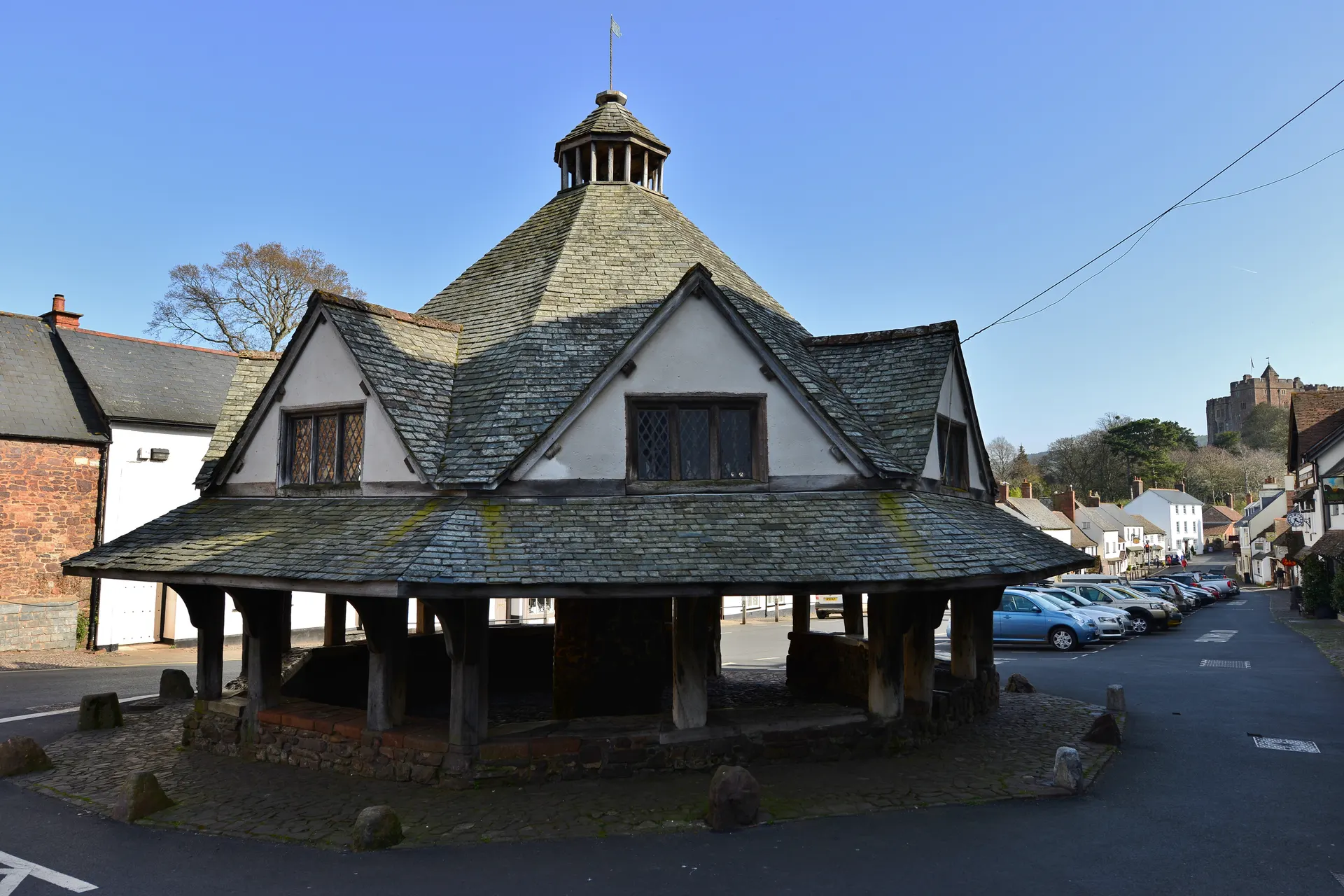
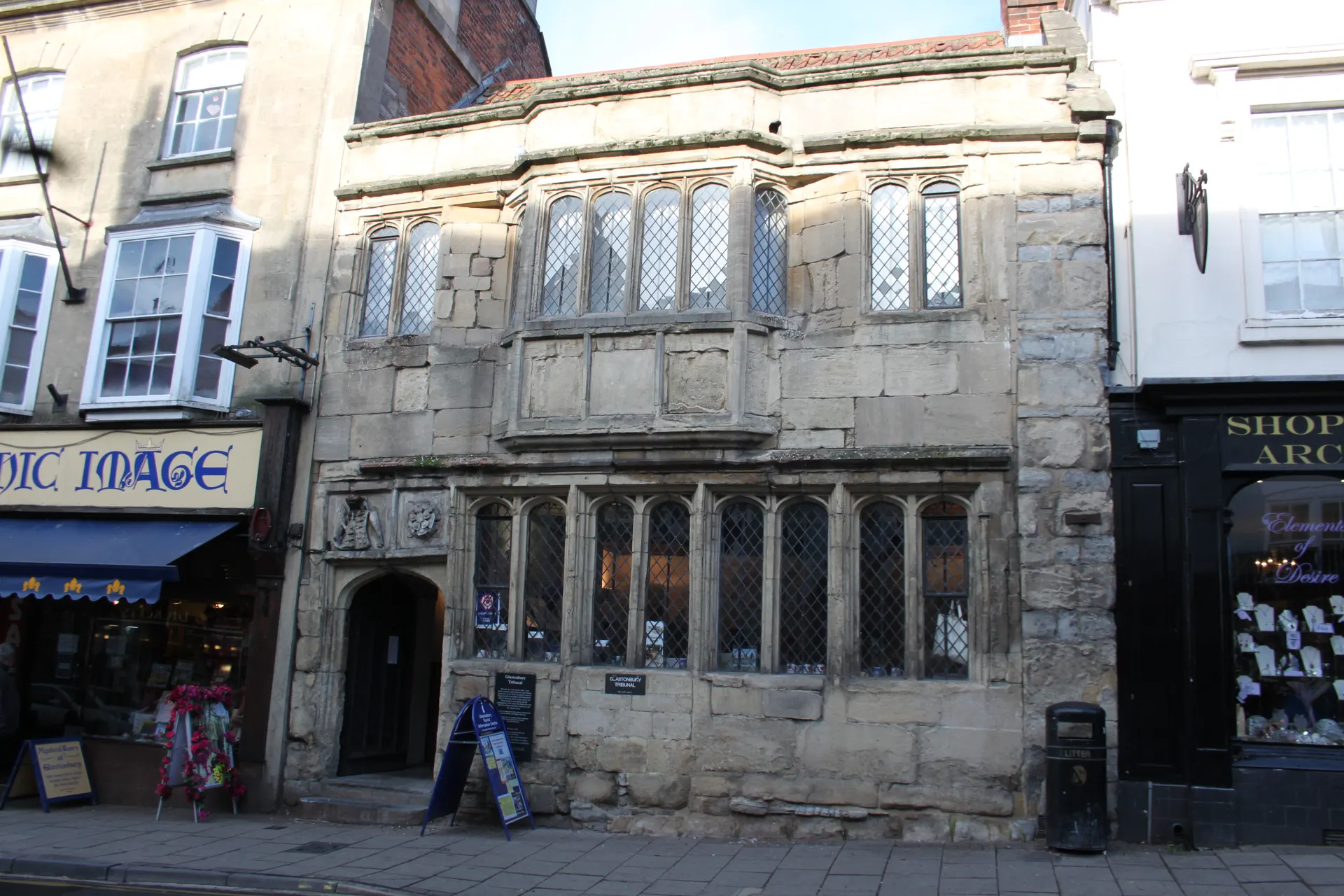
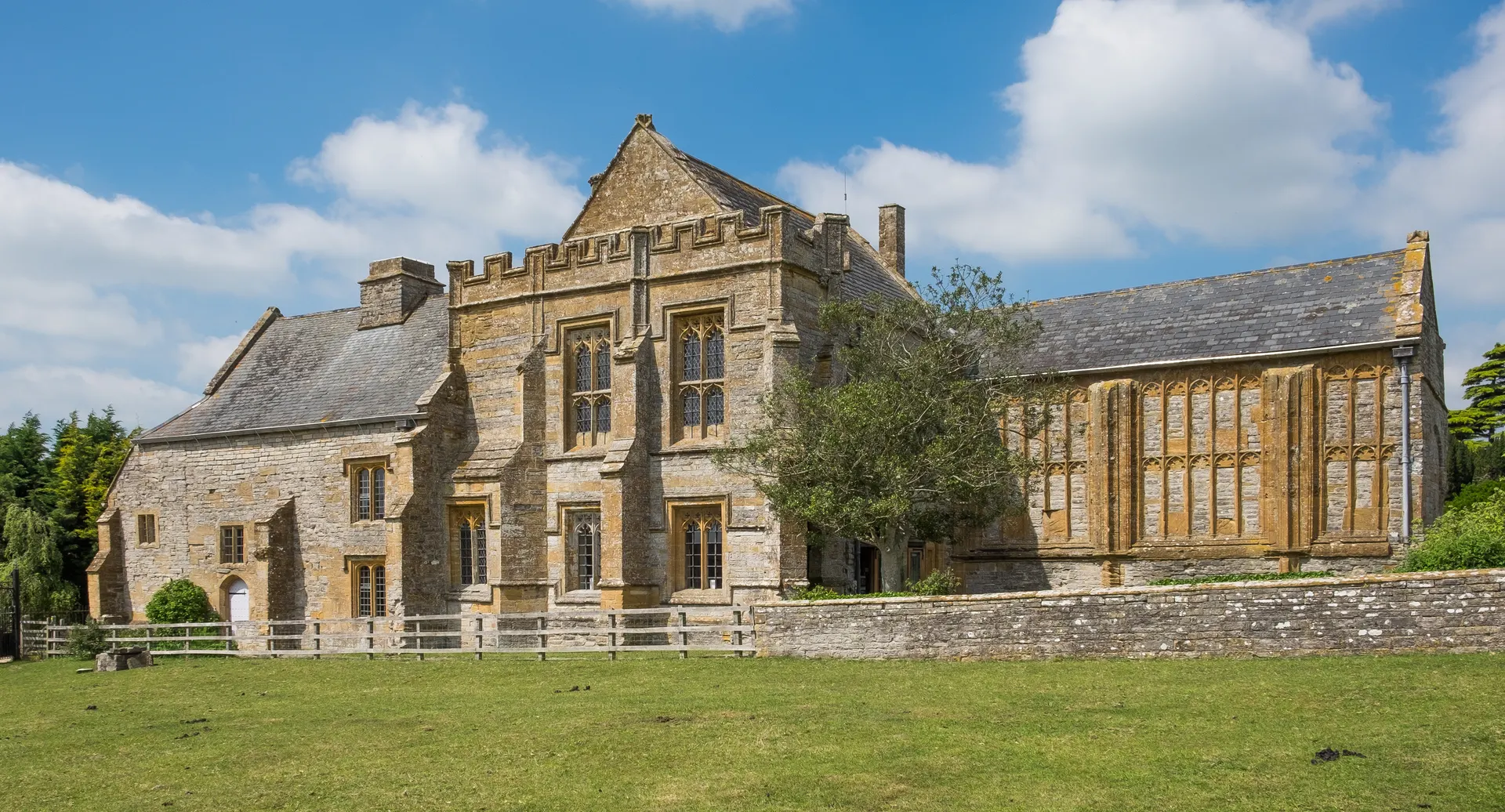
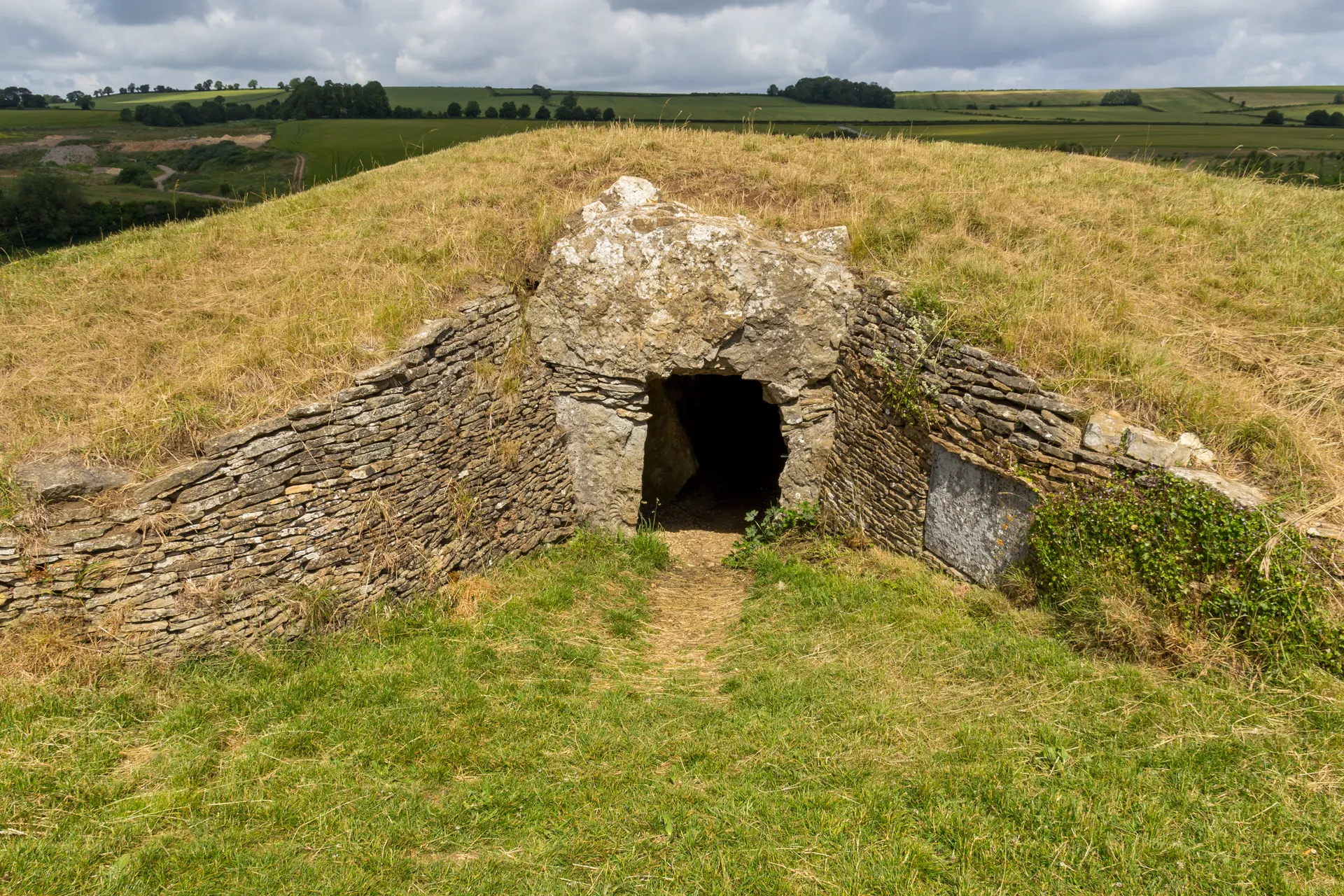
Places in other regions
- Aberdeen
- Aberdeenshire
- Anglesey
- Angus
- Argyll & Bute
- Argyll & the Isles
- Argyll and Bute
- Ayrshire
- Ayrshire & Arran
- Bath & Bristol
- Bedfordshire
- Berkshire
- Birmingham & West Midlands
- Borough of Darlington
- Bridgend
- Bristol
- Buckinghamshire
- Caerphilly
- Cambridgeshire
- Cardiff
- Carmarthenshire
- Ceredigion
- Cheshire
- Cheshire & Greater Manchester
- Clackmannanshire
- Co Durham
- Conwy
- Cornwall
- County Carlow
- County Clare
- County Cork
- County Donegal
- County Dublin
- County Durham
- County Galway
- County Kerry
- County Kildare
- County Kilkenny
- County Laois
- County Leitrim
- County Limerick
- County Longford
- County Louth
- County Mayo
- County Meath
- County Monaghan
- County Roscommon
- County Sligo
- County Tipperary
- County Waterford
- County Westmeath
- County Wexford
- County Wicklow
- Cumbria
- Denbighshire
- Derbyshire
- Devon
- Dorset
- Dumfries & Galloway
- Dumfries and Galloway
- Dundee
- East Ayrshire
- East Dunbartonshire
- East Lothian
- East Midlands
- East of England
- East Sussex
- East Yorkshire
- Edinburgh
- Essex
- Falkirk
- Fife
- Flintshire
- Glasgow
- Gloucestershire
- Gloucestershire & the Cotswolds
- Greater London
- Gwynedd
- Hampshire
- Herefordshire
- Hertfordshire
- Highland
- Inverclyde
- Isle of Man
- Isle of Wight
- Isles of Scilly
- Kent
- Lake District
- Lancashire
- Leicestershire
- Leicestershire & Northamptonshire
- Lincolnshire
- Liverpool & Lancashire
- London
- Merseyside
- Midlothian
- Monmouthshire
- Moray
- Neath Port Talbot
- Newport
- Norfolk
- North Ayrshire
- North East
- North Lanarkshire
- North West
- North Yorkshire
- Northamptonshire
- Northern Ireland
- Northumberland
- Nottinghamshire
- Nottinghamshire & Lincolnshire
- Orkney
- Oxford
- Oxfordshire
- Oxfordshire, Buckinghamshire & Berkshire
- Peak District & Derbyshire
- Pembrokeshire
- Perth and Kinross
- Perthshire
- Powys
- Renfrewshire
- Scottish Borders
- Shetland
- Shropshire
- Shropshire & Staffordshire
- South Ayrshire
- South East
- South Lanarkshire
- South West
- South Yorkshire
- Staffordshire
- Stirling
- Stirlingshire
- Suffolk
- Surrey
- Sussex
- Swansea
- Torfaen
- Tyne and Wear
- Vale of Glamorgan
- Wales
- Warwickshire
- West Dunbartonshire
- West Lothian
- West Midlands
- West Sussex
- West Yorkshire
- Western Isles
- Wiltshire
- Worcestershire
- Worcestershire & Herefordshire
- Yorkshire
- Yorkshire and the Humber